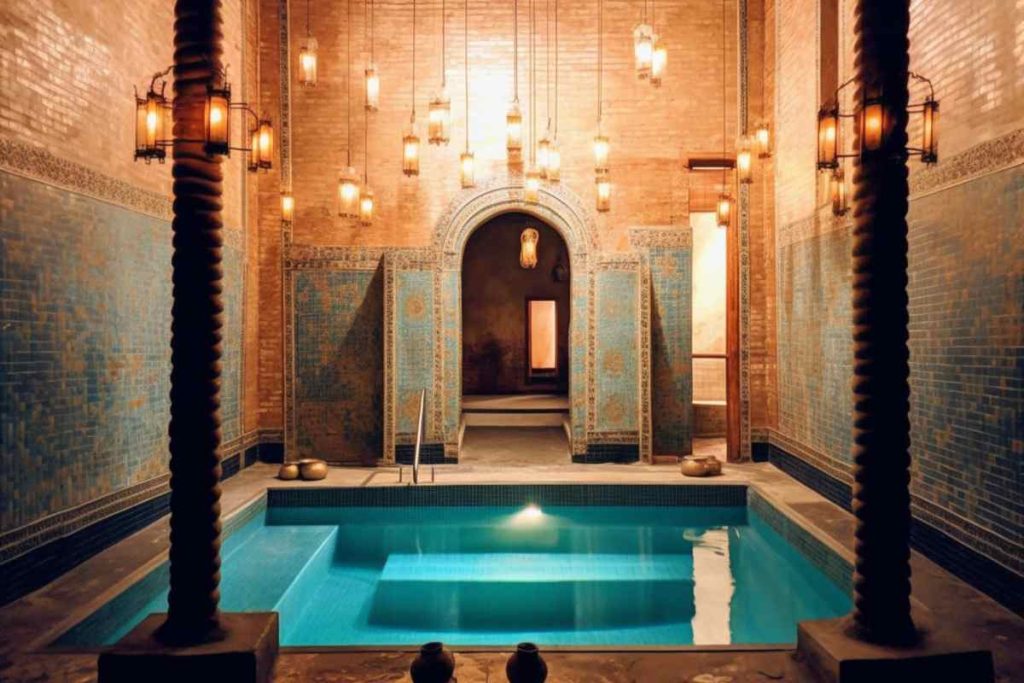
Turkish baths around the world have fascinated travelers for centuries, drawing visitors with steam-filled rooms, gleaming marble, and rituals handed down through generations. These sanctuaries blend hammam traditions, architectural splendor, ritual cleansing, and social warmth into a Turkish spa culture that resonates across borders, inviting curiosity about history, community, and wellness. From the grand marble halls of historic hammams in Istanbul to modern recreations and wellness retreats elsewhere, visitors encounter a ritual that marries artistry, ambiance, and mindful cleansing. Along the way, guides and attendants emphasize the sweep of steam, the careful balance of heat and humidity, and the soothing rhythm of the cleansing sequence. Across generations and oceans, the enduring charm of this tradition informs spa design, hospitality, and cultural exchange in places far from its origins.
Beyond Turkey, the concept travels through steam-led rituals and hammam-inspired wellness experiences that echo an Ottoman bathhouse heritage. Across continents, you’ll encounter steam rooms, exfoliation rituals, and ceremonial cleansing framed as traditional bathhouse culture in boutique spas and luxury hotels. These global bathhouse experiences adapt to local tastes while preserving the core ideas of relaxation, ritual companionship, and skin renewal. Whether labeled as Turkish-inspired steam rituals or Ottoman-era spa heritage, the practice remains a bridge between history and contemporary self-care.
The Anatomy of a Turkish Hammam: Rooms, Rituals, and Renewal
At the heart of the Turkish hammam is a carefully choreographed journey through space: a warm room where guests acclimate, followed by progressively hotter chambers where steam and humidity coax the body into a relaxed glow. The marble surfaces, domed ceilings, and soft lighting create an environment that embodies Turkish spa culture and the long arc of hammam traditions, turning cleansing into a ceremonial experience.
From the kese exfoliation to the attentive guidance of a görevliler, the ritual is more than cleaning—it is renewal. The sequence aims to loosen tense muscles, improve circulation, and leave the skin brighter, all within a societal rhythm that values quiet, courtesy, and shared spaces within the spa.
Hammam Traditions Across Cultures: Shared Rituals and Local Flavors
Across cultures, the fundamental arc of the hammam remains recognizable—heat, steam, cleansing, and rest—yet local flavors tint the experience. This reflects hammam traditions adapted to regional climates, languages, and hospitality norms, while preserving the core elements that define Turkish spa culture.
In places from the Middle East to Europe and beyond, attendants tailor pressure, scents, and massage techniques to local preferences, producing a spectrum of atmospheres—from austerely traditional to modern and minimalist—without losing the deliberate, ceremonial pace that characterizes the Turkish bath experience.
Turkish baths around the world: Global Footprints of a Classic Hammam Tradition
Turkish baths around the world have become a global thread in the tapestry of wellness, linking marble-lined classics with contemporary wellness studios. The core ritual—steam, soap, kese, and rest—travels well, carrying with it the hospitality and ritual cadence that define Turkish baths around the world.
Whether housed in historic cities or sleek urban spaces, these spaces honor Turkish bath history while adapting to local safety standards and guest expectations. Travelers encounter a shared language of quiet rooms, ceremonial cleansing, and restorative massage, a reminder that the hammam tradition travels gracefully across borders.
Notable Hammams: Architectural Icons and Their Modern Reimaginings
Notable hammams in Turkey—Çemberlitaş Hamamı, Kılıç Ali Pasha Hamamı, Ayasofya Hürrem Sultan Hamamı, and the historic Pera/Karaköy baths—stand as architectural milestones as much as transformative spa experiences. Each site showcases marble surfaces, luminous lighting, and a ritual cycle that preserves the essence of hammam traditions while inviting contemporary comfort.
Beyond Turkey’s shores, modern incarnations of the hammam blend Turkish bath history with current wellness sensibilities, offering accessible introductions to steam, exfoliation, and relaxation. These spaces celebrate notables hammams of the past while inviting new generations to partake in the ritual.
Turkish Bath History: From Roman Baths to Ottoman Public Spaces
Turkish bath history traces a lineage from Roman bath culture to the grand public baths of the Ottoman era, where domed ceilings trap steam and marble gleams with reflected light. This lineage weaves together architectural innovation, social ritual, and a philosophy of cleansing that goes beyond mere cleanliness.
Today, scholars and practitioners view the hammam as a living archive of craft, hospitality, and wellness. The enduring relevance of Turkish bath history informs both design and experience, shaping how modern spas interpret traditional elements for diverse audiences.
Practical Guide to Visiting a Hammam: Etiquette, Benefits, and Tips
Practical tips for visiting a hammam begin with choosing between authenticity and convenience, then preparing for heat, humidity, and the ritual cadence. Understanding hammam traditions helps set expectations, while appreciating Turkish spa culture can deepen the sensory experience and connection to the space.
Clear communication about preferred pressure, privacy, and treatments enhances safety and satisfaction. Etiquette considerations—such as modesty norms, tipping practices, and respectful interaction with attendants—ensure a comfortable, enriching encounter in both historic baths and modern spa facilities.
Frequently Asked Questions
What makes Turkish baths around the world appealing, and how do hammam traditions vary across regions?
Turkish baths around the world offer steam, cleansing rituals, and a social quiet space rooted in hammam traditions. While the core sequence—warm room, kese exfoliation, cleansing, and optional massage—remains, architectural styles, settings, and local customs create regionally distinct experiences.
Where can I find notable hammams outside Turkey that reflect Turkish spa culture?
Notable hammams outside Turkey exist in many major cities, from historic venues to modern recreations. Look for establishments that preserve ritual steps, employ trained attendants, and maintain clean facilities to experience authentic Turkish spa culture.
What is the Turkish bath history and how has it shaped contemporary spa practices around the world?
Turkish bath history traces from Roman bath traditions to the Ottoman hammam, transforming into social, ceremonial spaces. Today, many global spas borrow the kese exfoliation, steam rituals, and attendant-guided cleansing that define Turkish bath history, adapting them to local wellness norms.
What should I expect during a global bathhouse experience when trying Turkish baths around the world?
Expect a ritual arc: arrival and preparation, warm steam room, exfoliating kese scrub, soap wash, optional massage, and a cool-down. Etiquette varies by venue, but privacy, clear communication of pressure and preferences, and hydration are universal tips.
How do I choose between authentic hammams and modern Turkish spa experiences when exploring Turkish baths around the world?
Choose based on atmosphere, depth of ritual, and comfort. Authentic hammams emphasize architecture and traditional techniques, while modern Turkish spas may prioritize convenience and contemporary wellness services. Check reviews, staff training, and whether the experience includes a kese and massage.
What etiquette tips help you maximise the benefits of Turkish baths around the world?
Respect privacy and rules, communicate preferences for exfoliation and pressure, hydrate before and after, wear appropriate attire or wraps, and tip attentively for skilled attendants. Following etiquette enhances relaxation and preserves the cultural experience.
| Topic | Key Points |
|---|---|
| What is a Turkish bath? | Core idea: warm social spaces with a progression through increasingly hot rooms; steam and humidity nourish the body; a kese scrub with soap and a final rinse; attendants may guide with cleansing and light massage; aim is renewal and relaxation, not just cleansing. |
| Historical roots and meaning | Roots in Roman bath culture; Ottoman era transformed hammams into social rituals with distinctive architecture (domed ceilings, marble, stepped room progression); public spaces for washing, socializing, and reflection; blends wellness, culture, and ritual. |
| Notable spas in Turkey | Çemberlitaş Hamamı, Kılıç Ali Pasha Hamamı, Ayasofya Hürrem Sultan Hamamı, and Pera/Karaköy hammams in Istanbul; each combines historic architecture (Sinan-era design in some) with modern spa services and authentic ritual cycles. |
| Notable hammams beyond Turkey | Global presence includes modern hammams in major cities that preserve core elements (steam, exfoliation, cleansing) while adapting to local wellness culture; common motifs persist: quiet, candlelit spaces; attendants’ ceremonial movements; space to pause from daily life. |
| The experience: what to expect | Ritual arc from warmth to cool-down: preparation and arrival, warm steam space, cleansing with kese and soap, optional massages or treatments, then rest and refreshment in cooling or relaxation areas. |
| Etiquette and practical tips | Respect privacy and gender policies; communicate preferences for exfoliation and pressure; maintain hygiene; use provided garments or towels; be mindful of tipping culture. |
| Choosing an experience | Balance authenticity vs. convenience; evaluate cleanliness and staff training; language considerations; compare price and package contents; book in advance for preferred times. |
| Health and wellness benefits | Steam can improve skin hydration and sinus comfort; exfoliation aids texture; overall relaxation reduces muscle tension and stress; supports broader wellness practices. |
| Bringing the tradition home | If needed, mimic core rituals at home: warm shower, gentle scrub, hydrating rinse, and quiet rest to capture the essence of the hammam experience. |
| Global impact and cultural appreciation | Turkish baths around the world showcase cultural exchange, Ottoman aesthetics, and hospitality; diverse settings preserve ritual elements while inviting new audiences to engage with hammam etiquette and kese practice. |
Summary
Conclusion: a timeless tradition with universal appeal. Turkish baths around the world offer a rare blend of art, history, and wellness. Whether you step into a centuries-old hammam in Istanbul or a modern spa that recreates the Turkish bath ritual, you’ll discover a practice that invites you to slow down, breathe, and re-emerge feeling refreshed. The allure lies not only in the steam and marble but in the sense of continuity—across generations and continents—that the hammam tradition embodies. Exploring Turkish baths around the world can be a memorable and enriching journey that connects you to a global tapestry of spa culture, ritual, and hospitality.