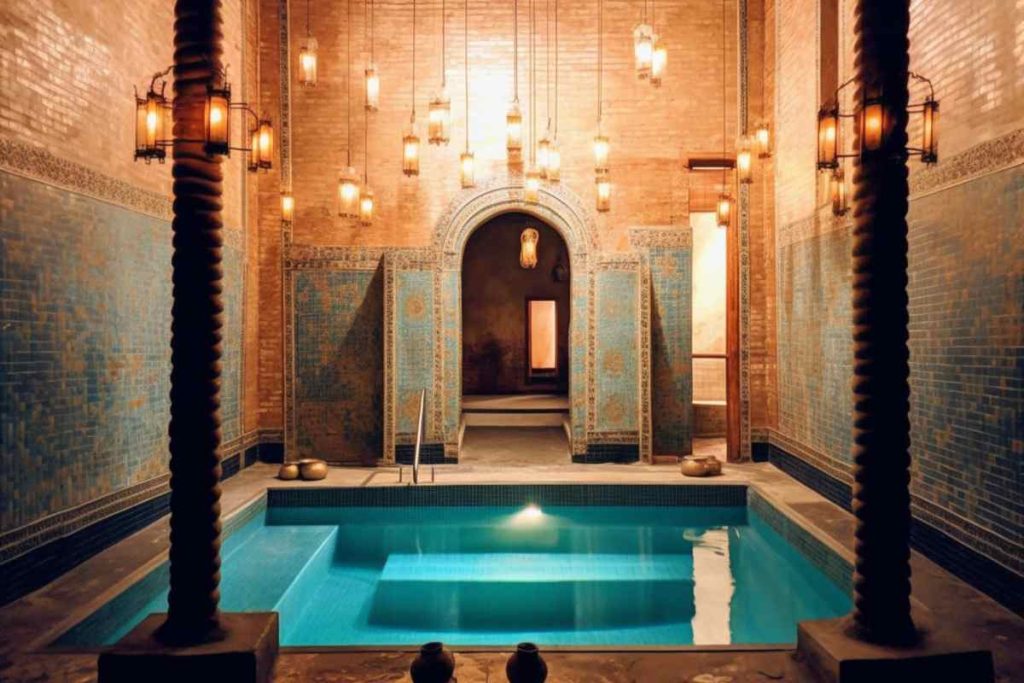
Turkish hammam vs sauna sit at the crossroads of tradition and wellness, inviting you to explore how atmosphere, ritual, and heat shape your experience. In this guide, you’ll discover hammam benefits and sauna benefits, as well as hammam differences that matter for comfort, duration, and result. We break down how humidity, steam, and pacing influence cleansing, relaxation, and skin or muscle relief, so you can pick the path that suits your goals. Whether you’re drawn to the moist, social ritual of a Turkish bath or the crisp, focused heat of a sauna, the Turkish hammam vs sauna comparison helps set expectations. This concise introduction links practical tips to the sensory experience, highlighting Turkish bath benefits and the broader appeal of heat therapy for body and mind.
Beyond the label hammam vs sauna, the Turkish bath and its related spa traditions reveal a bathhouse ritual rooted in Ottoman history. Alternative terms like Ottoman bath, bathhouse ceremony, steam bath, and heat ritual echo the same core idea of cleansing, heat, and mindful pacing. From marble-clad hammam rooms to modern dry-heat saunas, these experiences share aims of relaxation, circulation, and skin renewal. Using LSI-friendly language, we connect concepts such as hammam benefits, sauna benefits, steam room vs sauna, and Turkish bath benefits to help readers recognize the topic across platforms.
Turkish hammam vs sauna: Core Differences in Humidity, Heat, and Rituals
Step into a hammam and you enter a world of moist air and a steady, enveloping warmth. The humidity of a traditional Turkish bath makes the heat feel layered and persistent, inviting a slow, mindful pace as steam tightens around the skin. This environment sets the stage for a ritual that blends cleansing, exfoliation, and relaxation, where every breath is part of the experience and the body gradually unlocks tension.
The sauna, by contrast, delivers a dry heat that rises in sharper waves, prompting a quicker, more intense sweat. Wooden benches, a simple aesthetic, and a heat source that radiates from stones or heaters shape a brisk rhythm—short rounds with cooling breaks in between. The steam room vs sauna dynamic is not just about temperature; it alters breathing, hydration needs, and the overall tempo of relaxation and detoxification.
Hammam Benefits vs Sauna Benefits: What Your Body Gains
When exploring hammam benefits, the focus often lies on cleansing and skin revitalization. Exfoliation with a kese sloughs away dull cells, leaving skin smoother and more receptive to moisturizers, while the moist heat helps open pores and ease superficial congestion. The social, mindful pace of a hammam also contributes to mental relaxation, reducing stress as you move through the ritual.
Sauna benefits center on robust sweating, improved circulation, and muscle relaxation. The dry heat can support cardiovascular conditioning and a sense of mental calm after a focused heat exposure. The post-session glow and skin tone improvements are common, making sauna benefits a compelling choice for those who value efficient heat therapy and quick recovery between routines.
Hammam Differences: Humidity, Rituals, and Cleansing Practices
Hammam differences are most evident in the air you breathe and the way warmth unfolds across the body. The high humidity enhances steam’s reach, softening the skin and preparing it for cleansing with a kese scrub. This moisture-rich heat creates a sensory environment where time slows and the body relaxes into the ritual.
The ritual structure—progressing from warm rooms to cleansing, exfoliation, massage, and a cooldown—defines the Turkish bath experience. This ceremonial pace, often shared among participants, amplifies the sense of well-being and can extend the hammam benefits beyond the skin to mood and social connection, a hallmark of the Turkish bath experience.
Steam Room vs Sauna: Temperature, Moisture, and Session Design
In a steam room, high humidity creates a thick, humid air that feels forgiving, encouraging longer, calmer breathing and slower progression through heat. The moisture allows heat to linger around the skin, contributing to a meditative, restorative pace that some travelers savor as part of the steam room vs sauna decision.
A sauna’s dry heat tends to promote shorter, more intense sessions, with the body triggering rapid sweating and a quick reset when cooled. The design—wooden benches, heater walls, and a minimalistic aesthetic—focuses you on breath and posture, guiding you to hydrate between rounds and listen to subtle signals from your body.
What to Expect in a Turkish Bath: Preparation, Ritual, and Aftercare
A Turkish bath unfolds as a layered sequence: a warm, moist environment to begin; cleansing and exfoliation with a kese; and a possible massage or rinse to finish. The rhythm is deliberate, and the space often emphasizes mindful breathing and social etiquette, making the Turkish bath benefits feel as much about atmosphere as physiology.
Aftercare is essential, with moisturization and hydration helping skin and body recover after exfoliation and heat exposure. In authentic hammam houses, the lingering sense of calm and community often extends beyond the sessions, reinforcing the overall sense of renewal that many describe as part of the Turkish bath benefits.
Choosing Between Hammam and Sauna: Goals, Safety, and Personal Preference
Your goal guides the choice: if you seek deep cleansing, a sensual ritual, and a social, ceremonial atmosphere, the hammam may be the better fit and its hammam benefits will come into sharper focus. If you prefer rigorous heat exposure, muscular relief, and a concise, efficient session, the sauna benefits align more closely with your schedule and objectives.
Safety considerations matter: stay hydrated, avoid alcohol before sessions, and listen to your body. For some, alternating between hammam experiences and sauna sessions—experiencing steam room vs sauna variables—maximizes the range of benefits and helps you discover which ritual and environment best support your wellness goals.
Frequently Asked Questions
What are the key hammam differences in the Turkish hammam vs sauna comparison?
Key hammam differences in the Turkish hammam vs sauna comparison include humidity, ritual structure, and cleansing focus. In a Turkish hammam, high humidity and steam create enveloping heat, often accompanied by cleansing, exfoliation, massage, and a cooldown. A sauna uses dry heat at higher temperatures, with shorter, more intense sessions centered on sweating and relaxation. Overall, hammam differences point to a social, multi-step ritual, while sauna experiences emphasize heat and brevity.
How do hammam benefits compare to sauna benefits?
Hammam benefits center on cleansing: exfoliation with a kese, steamed pores, and a relaxed, mindful pace. Sauna benefits emphasize strong sweating, improved circulation, muscle relaxation, and a post-session glow. The best choice depends on whether you prefer humidity and ritual depth (hammam benefits) or dry heat and intensity (sauna benefits).
How does steam room vs sauna factor into the Turkish hammam vs sauna comparison?
Steam room vs sauna considerations matter in the Turkish hammam vs sauna context. The steam room in a hammam delivers moist heat that can ease skin and respiratory sensations, while a sauna provides dry heat that promotes faster sweating and heat adaptation. Your preference for humidity, pace, and total session length will guide which path you choose.
What Turkish bath benefits can you expect from a Turkish hammam vs sauna session?
Turkish bath benefits in a hammam include a full cleansing ritual, exfoliation, and a social, ceremonial atmosphere. Sauna benefits focus on efficient heat exposure, profuse sweating, and relaxation of muscles, often with optional cooldowns. Some facilities blend both, offering steam room experiences followed by a dry sauna to capture a broad set of Turkish bath benefits.
Who should choose hammam benefits over sauna benefits, and why?
Who should choose hammam benefits over sauna benefits depends on sensitivity to humidity and your wellness goals. If you want deep cleansing and a leisurely, ritual-focused experience, hammam benefits are a strong fit. If you prefer intense heat, rapid sweating, and time-efficient sessions, sauna benefits may be more suitable.
What is the best way to decide between Turkish hammam vs sauna based on your goals?
Best approach to Turkish hammam vs sauna is goal-driven: cleansing and ritual depth versus heat-focused efficiency. Consider trying both if possible to compare how humidity, pace, and ambience affect your relaxation and recovery. Tailor future visits to maximize the advantages of each tradition.
| Aspect | Hammam | Sauna |
|---|---|---|
| What It Is | A humid steam bath rooted in Ottoman/Roman traditions with cleansing, exfoliation (kese), massage, and a cooldown; heat is moist (~40-50°C). | A dry heat environment (70-100°C) with minimal humidity; designed for focused sweating, circulation, and muscle relaxation; wooden, minimalist design. |
| Humidity & Temperature | High humidity; moist heat in the 40-50°C range; steam permeates the air. | Low humidity or modest humidity in some setups; dry heat 70-100°C. |
| Ritual/Experience | Multi-step sequence focusing on cleansing, exfoliation, massage, and cooldown; often social and carefully paced. | Shorter, more intense sessions; emphasis on sweating and quiet or guided relaxation; hydration between rounds. |
| Preparation & What to Expect | Cleansing, exfoliation with kese; clothing minimal; staff guidance; hydration between steps. | Shower before, 5-15 minute sessions typical; rest periods outside; hydrate; may include a cold rinse or plunge. |
| Benefits | Improved skin texture, clearer pores, relaxation; social element may enhance mental calm and cleansing. | Improved circulation, stress relief, joint flexibility, and cardiovascular conditioning; strong sweating and mental clarity. |
| Who Should Try / Precautions | Consult healthcare providers if cardiovascular conditions, high blood pressure, skin sensitivities, or pregnancy; stay hydrated; moderation in heat. | Consult with healthcare provider if cardiovascular conditions, skin sensitivities, or pregnancy; stay hydrated; avoid alcohol; listen to body. |
| Best Use / When to Choose | Ideal for deep cleansing, ritual relaxation, and social cleansing experiences. | Ideal for quick, intense heat exposure, fitness goals, or a quieter, personal relaxation routine. |
Summary
A concise English comparison table of Hammam vs Sauna, covering what each practice is, their humidity and temperature, typical rituals, preparation, benefits, safety notes, and when to choose.