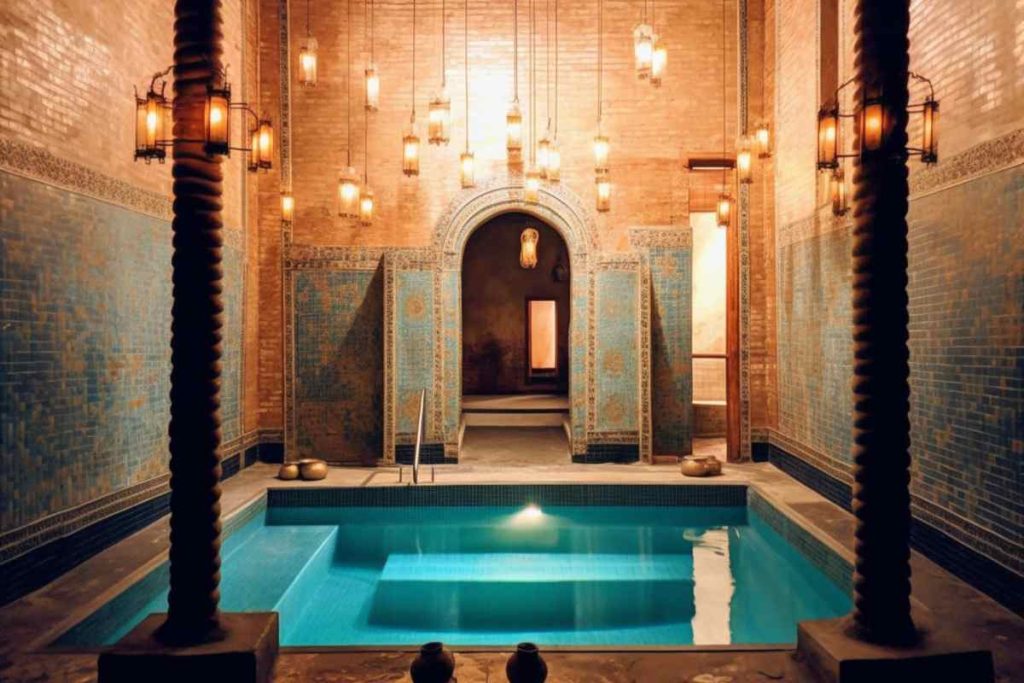
Step into a Turkish hammam experience and you enter a warm, ceremonial world where heat, water, and mindful stillness mingle to soothe body and mind, inviting your senses to slow, listen, and breathe. This guide invites you to explore Turkish hammam rituals, from the slab conversations to steam-filled rooms, revealing how architecture, scent, and traditional Turkish bath etiquette shape every moment and memory for first-time visitors. Whether you are visiting Istanbul’s historic baths or a modern spa inspired by tradition, the hush of the hammam steam room enhances the entire sensory journey and offers a moment of quiet focus amid bustle. The experience blends communal care with personal attention, offering cleansing, exfoliation, and optional massage as part of a carefully choreographed sequence to cultivate hammam relaxation techniques and a lasting sense of renewal. As you prepare, remember modesty, hydration, and respectful dialogue with attendants to honor the ritual and ensure a safe, soothing visit that leaves you refreshed and mindful throughout your day.
Viewed through the Turkish bath culture, this practice unfolds as a historic bathhouse ritual where heat, water, and etiquette converge in a ceremonial cadence. Visitors experience a progression of warm rooms, marble surfaces, and fragrant oils that echo the grand architecture while offering contemporary comfort. Alternative terms for the same experience include steam spa tradition, public bathhouse routine, and Ottoman-inspired cleansing foam rituals, all rooted in timeless wellness. The emphasis remains on respectful pace, mindful breathing, and a sensory journey that balances social connection with personal renewal.
The Turkish hammam experience: A Timeless Ritual of Warmth and Community
Step into the Turkish hammam experience and feel warmth, water, and mindful stillness converge. This space is more than cleansing; it’s a time-honored ritual that blends architecture, scent, and Turkish bath etiquette to create a meditative atmosphere. Whether you’re wandering Istanbul’s historic baths or seeking a modern spa inspired by the tradition, understanding what to expect helps you engage fully with the sensory journey.
In this setting, the rituals emphasize communal care and sensory layering—steam, heat, and marble surfaces shaping a rhythm handed down through generations. Guests and attendants participate in a carefully choreographed flow designed to purify the body while calming the mind, turning a visit into a shared moment of renewal within the hammam steam room and beyond.
Turkish Hammam Rituals: Arrival to Exfoliation, Foam, and Renewal
From arrival and acclimatization to the kese exfoliation, Turkish hammam rituals guide a sequence that warms the skin and relaxes the mind. The pestemal or robe is provided, hydration is encouraged, and herbal tea often accompanies the transition, aligning with traditional Turkish bath etiquette to ensure comfort for everyone.
The scrub with a kese, the thick foam of soap, and optional massage reveal the depth of the traditional Turkish bath experience. Clear communication about comfort levels helps tailor exfoliation intensity while preserving the ritual’s cadence, a practice that exemplifies hammam relaxation techniques embedded in a culturally respectful setting.
Traditional Turkish Bath: Architecture, Steam, and Sensory Atmosphere
The traditional Turkish bath thrives on architecture that elevates the experience. Marble slabs, domed ceilings, and soft lighting create a tranquil ambience that supports the cleansing ritual and the gentle rise of heat through the space, enhancing the cinnamon-rose scents of olive oil soaps and aromatic oils.
The hararet, or steam room, delivers humidity and warmth that soften the skin and invite a meditative pace. This sensory atmosphere—paired with the glow of lanterns and the rhythm of the attendants—allows guests to step into a timeless ritual where the mind quiets as the body relaxes, aligning with core Turkish hammam rituals and bath etiquette.
Hammam Steam Room: Heat, Humidity, and Physical Renewal
Steam is central to the hammam experience. The hammam steam room operates with controlled warmth and humidity to ease muscle tension, open pores, and invite a buoyant sense of relaxation. Visitors often notice a shift in breathing and a slowed heart rate as the body settles into its own rhythm.
The steam environment also enhances the sensory journey, with marble surfaces absorbing heat and aiding gradual cooling afterward. The result is a physical renewal that complements the mental reset offered by the ritual, underscoring how heat, humidity, and mindful stillness work together in hammam relaxation techniques.
Turkish Bath Etiquette and Comfort: Respectful Practice in Shared Spaces
Respectful practice is a core element of Turkish bath etiquette. Guests typically wear a pestemal or robe, maintain modesty, and communicate preferences to the attendant to tailor the experience. The social aspect of the ritual is balanced with personal space, ensuring a comfortable experience for everyone sharing the space.
Hydration and timing are practical considerations, with sessions commonly lasting 60 to 90 minutes. Tipping, handling personal belongings, and health considerations are all part of mindful etiquette, helping preserve the cultural integrity of the experience while enabling guests to enjoy the full benefits of the hammam.
Hammam Relaxation Techniques and Long-Term Benefits
Hammam relaxation techniques include slow, mindful breathing, awareness of thermal sensations, and deliberate pacing of each ritual stage. These practices help quiet the mind and reduce stress, offering a mental reset that complements the physical cleansing.
Regular visits—even in modern spa settings inspired by tradition—can contribute to smoother skin, better hydration, and a sense of renewed vitality. The long-term benefits arise from a consistent routine that blends heat, steam, and social serenity into everyday wellness, echoing the resilience of the Turkish hammam philosophy.
Frequently Asked Questions
What are the Turkish hammam rituals in a traditional Turkish bath, and what should I expect during a typical session?
In a traditional Turkish bath, expect a structured sequence that mirrors the Turkish hammam rituals. You begin with acclimatization in a warm room, then cleansing with warm water and a kese (exfoliation), followed by a rich lather of soap or foam. Many spas offer an optional massage, and you finish with a cooling rest and tea. The goal is cleansing the body while calming the mind through heat, steam, and ritual care.
How does the hammam steam room feature in the Turkish hammam experience and contribute to cleansing and relaxation?
The hammam steam room, or hararet, is central to the Turkish hammam experience. Humidity and controlled warmth open pores, soften the skin, and ease muscle tension, creating a meditative atmosphere. Marble surfaces retain heat to prolong the comfortable warmth as lanterns glow softly, enhancing the relaxation.
What is Turkish bath etiquette for a visit to a communal hammam, and how should I interact with staff during exfoliation and foaming?
Turkish bath etiquette emphasizes modesty, discretion, and respect in communal spaces. Expect to wear a pestemal or robe, cover appropriately, and communicate your comfort level with exfoliation and pressure. Tell the attendant if the heat or exfoliation is too intense, and remember to hydrate and tip according to local custom.
Which hammam relaxation techniques are commonly used in a Turkish hammam experience, and what benefits can I expect?
Hammam relaxation techniques include slow, mindful breathing and focusing attention on the warming sensations as you move through the ritual. Pausing between steps and listening to your body help you achieve a deeper sense of calm. Benefits often reported include reduced muscle tension, improved circulation, and clearer mental focus.
What should I wear and how should I prepare for a traditional Turkish bath to ensure comfort and Turkish bath etiquette?
For comfort and Turkish bath etiquette, wear a pestemal or towel, and follow the venue’s policy on dress. Hydrate before and after, leave valuables at home, and allow 60–90 minutes for the experience. Planning ahead and asking staff about any accessibility needs ensures a respectful, smooth visit.
What options exist for massages or additional cleansing in a Turkish hammam, and how do they fit into the ritual of the traditional Turkish bath?
Many hammams offer additional cleansing options and massages, from extra cleansing in the kese to a gentle massage or stretching. Services vary by establishment, so discuss your preferences with the attendant and fit them into the ritual sequence. These treatments are designed to complement the steam and foam, enhancing relaxation while respecting the traditional Turkish bath experience.
| Topic | Key Points |
|---|---|
| Introduction | A Turkish hammam welcomes warmth, water, and mindful stillness; a ritual blending architecture, scent, and social etiquette to create a relaxing, meditative atmosphere. It can be experienced in Istanbul’s historic baths or modern spa settings; purpose is to guide through the full sensory journey while respecting culture. |
| What is a Turkish Hammam? | Public bathhouse rooted in Roman tradition and revived in Ottoman Turkish culture; sequence of heated rooms culminating in a steamy chamber; emphasizes communal bathing, ritualized care, and a shared sense of relaxation; features marble, domed ceilings, and soft lighting. |
| Rituals of the Turkish Hammam | Arrival and acclimatization; warm room and rising heat; washing and exfoliation (kese); lather and foam; massage/optional cleansing; cooling and relaxation. |
| The Role of Steam and Heat | Steam opens pores and softens skin; hararet provides humidity and warmth to ease tension and foster meditation; architecture and ambiance enhance the experience with heat retention, domed ceilings, and soft lighting; scents from soaps and oils add to the journey. |
| Relaxation and the Benefits | Heat and humidity can ease muscle stiffness, improve circulation, and promote well-being; the ritual supports mental reset and mindfulness; regular visits may contribute to smoother skin and renewed vitality. |
| Etiquette, Comfort, and Practical Tips | Dress modestly (pestemal or robe); communicate preferences; hydrate and plan 60–90 minute sessions; tipping etiquette where appropriate; secure belongings; consider health conditions and adapt expectations. |
| Choosing the Right Hammam | Types range from historic public baths to modern spa-inspired spaces; traditional settings offer deeper cultural immersion with potential gender segregation; luxury spas provide privacy and English-speaking staff. |
| What to Expect in Practice | Before you go: check gender policies and reserve; Upon arrival: changing area, pestemal, warm room; During rituals: warm baths, exfoliation, foaming soap, optional massage; Aftercare: cool resting area, tea, hydration. |
| Relaxation Techniques and Long-Term Benefits | Slow breathing, focusing on thermal sensations, and the ritual rhythm help quiet the mind and reduce stress; this practice supports a longer-term sense of well-being. |
Summary
Turkish hammam experience invites you into a tactile ritual of warmth, water, and mindful stillness that transcends ordinary cleansing. In marble rooms with domed ceilings and softly glowing lanterns, scents of olive oil soap and rosewater mingle with ritual etiquette to foster a meditative atmosphere. Whether visiting historic baths in Istanbul or a modern spa inspired by the tradition, you’ll follow a familiar progression—from acclimation to heat, cleansing with kese and foam, optional massage, and a cooling rest—that leaves you refreshed, relaxed, and centered. Embracing this experience can offer physical relief, mental clarity, and a deeper sense of connection to a culture that has cherished communal bathing for centuries.