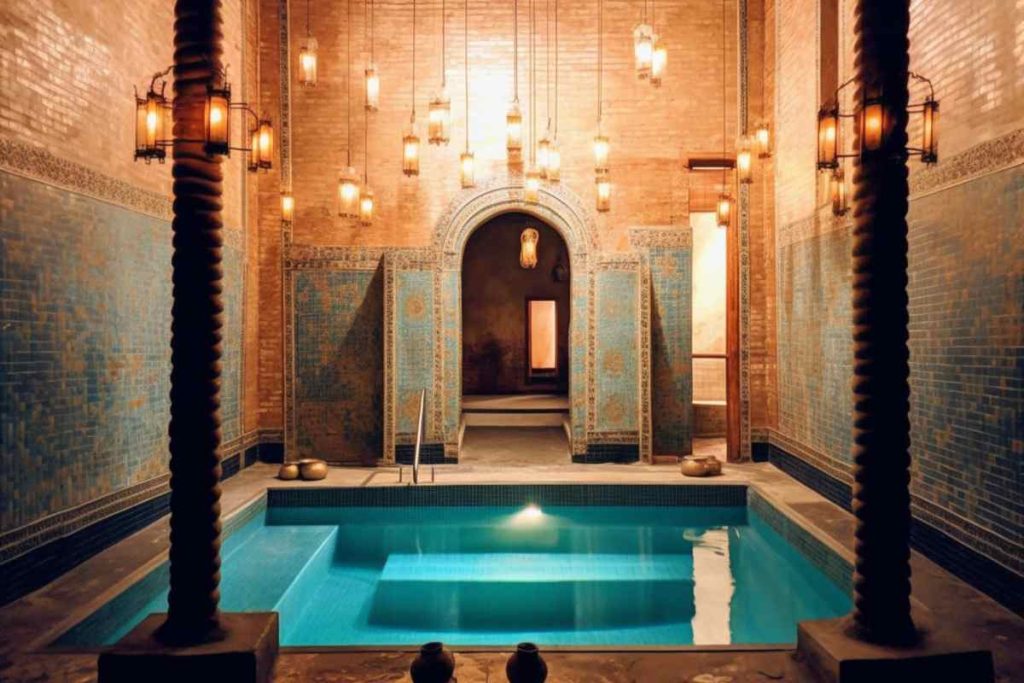
Turkish bath etiquette is more than a routine—it’s a cultural invitation into steam, architecture, historical rituals, and mindful social codes that shape every gesture you make, as designers and practitioners have woven a tradition across centuries, ensuring spaces that honor privacy, hospitality, and the shared joy of cleansing. From the moment you arrive, the aim is to slow down, show respect for the ensemble of rooms, observe quiet cues, and approach the cleansing ritual with curiosity, patience, and gratitude for the space’s history, the people who maintain it, and the experience’s cumulative cultural layers. Understanding dress codes, guidance from attendants, and how to move between warm rooms, steam rooms, sauna-like areas, and massage zones helps everyone feel comfortable and avoid awkward moments, while giving you room to breathe, reflect, and connect. Practice simple courtesies—keep voices low, store valuables safely, and observe the kese ritual with care, elements that form the backbone of hammam etiquette and mutual respect among guests, staff, and hosts who may also share culture-rich stories during greetings. By embracing patience, attentiveness, and open-mindedness, first-time visitors and seasoned travelers alike can enjoy a respectful, restorative experience that honors centuries of tradition while embracing modern spa comfort and the subtle rhythms of a well-tended hammam.
Beyond the specific setting, the underlying concept can be framed as a traditional bathhouse protocol—an approach that blends hospitality, cleanliness, and respectful conduct in social steam spaces. In practical terms, this means considering how to dress, how to greet staff, and how to participate in cleansing rituals with consideration for others. The language of these practices often shifts to terms like hamam culture, steam-room etiquette, and spa courtesy, reflecting regional variations while preserving core expectations. Embracing this broader view helps visitors adapt easily to different venues, from historic baths to contemporary wellness centers.
1. Understanding Turkish Bath Etiquette: The Core of Hammam Etiquette
Turkish bath etiquette, or hammam etiquette, is the compass that guides visitors through a space where cleansing, socializing, and tradition intersect. It defines how you move, when you speak, and how you engage with attendants and fellow guests. By embracing this etiquette, you honor a centuries-old practice that values calm, respect, and mindful pacing in the steamy environment.
This core etiquette shapes every moment of the experience, from entering the warmly lit rooms to navigating the quiet, shared spaces. Observing the norms helps reduce misunderstandings, preserves modesty, and creates a sense of collective ease. When you approach the hammam with awareness of Turkish bath etiquette, you participate in a tradition that prioritizes dignity, cleanliness, and cultural sensitivity.
2. What to Wear in a Turkish Bath: Attire, Pestemal, and Modesty
What you wear in a Turkish bath can vary by location, but the pestemal towel remains a universal symbol of modesty and practicality. This thin, absorbent cotton wrap allows the skin to breathe in the steam while maintaining comfortable coverage as you move between rooms. Understanding what to wear in a Turkish bath helps you feel prepared and respectful from the moment you arrive.
Alongside the pestemal, consider the facility’s rules on swimsuits and undergarments, and plan your footwear and hair care accordingly. Simple sandals or flip-flops help you navigate wet floors safely, while tying back hair and avoiding heavy cosmetics reduces pore clogging during cleansing. Dressing appropriately—and in line with local norms—lets you focus on the ritual rather than wardrobe concerns.
3. Turkish Bath Rules: Privacy, Protocol, and Safety
Turkish bath rules emphasize privacy, non-disruption, and mutual respect. Guests are encouraged to move softly, speak in low tones, and avoid intrusive photography or loud behavior. These principles create a safe, comfortable atmosphere for everyone, from first-timers to seasoned spa-goers.
Careful attention to safety is also a key rule. Slippery floors, heated rooms, and shared spaces require awareness of personal space and surroundings. If you’re unsure about a particular practice—such as when or where photography is allowed—ask staff or observe local norms. Following these Turkish bath rules helps protect guests and attendants alike and preserves the sanctity of the space.
4. How to Behave in a Turkish Bath: Courtesy, Communication, and Attendant Interactions
How to behave in a Turkish bath centers on courtesy, listening, and patience. Speak softly, move deliberately, and follow the guidance of attendants as they guide you through cleansing rituals and foam massages. A calm demeanor responds to the tranquil atmosphere that hammam spaces cultivate.
Engaging with attendants respectfully is a core part of the experience. They are professionals who tailor the cleansing and massage to your comfort, so listen carefully, ask clarifying questions, and express gratitude when a service is complete. A mindful approach to etiquette also includes tipping appropriately when customary in the facility, which reinforces positive, professional interactions.
5. The Classic Hammam Ritual: Step-by-Step from Entry to Rinse
A classic hammam ritual unfolds in a series of patient steps that begin with entry and gradual acclimation to heat and humidity. Guests warm up in a public or waiting area before moving into steam rooms, where cleansing begins with rinsing and a mild soap wash, setting the stage for exfoliation and massage.
The kese exfoliation, often performed by an attendant, prepares the skin by removing dead cells and stimulating circulation. A foam massage with olive-oil-based soaps follows, pairing cleansing with relaxation. The ritual typically concludes with a thorough rinse and a brief period of rest or cool-down, allowing the body to re-acclimate before leaving the hammam.
6. Tips for a Smooth First Visit: Planning, Packing, and Cultural Nuance
For a smooth first visit, plan your schedule to allow 60–90 minutes of unhurried time. Hydration is essential, so bring water or use the facility’s complimentary options. Before you go, review what to wear in a Turkish bath and any location-specific dress codes to avoid last-minute surprises.
Packing a small bag with a pestemal towel, simple sandals, and basic toiletries helps you move between rooms comfortably. Arrive a little early to acclimate, observe local practices, and approach the experience with curiosity and respect for cultural nuances. By aligning with hammam etiquette and facility norms, you’ll enjoy a serene, restorative visit that honors both tradition and your personal well-being.
Frequently Asked Questions
What is Turkish bath etiquette and why is it important in a hammam setting?
Turkish bath etiquette is the set of respectful dress, conduct, and interactions that ensure comfort and safety in a hammam. Following hammam etiquette honors centuries of tradition, minimizes misunderstandings, and helps everyone enjoy the cleansing and social aspects of the ritual.
What to wear in a Turkish bath and how does hammam etiquette guide clothing choices?
The basics of what to wear in a Turkish bath include a pestemal towel wrap, modest coverage as required by the facility, simple sandals, and removing jewelry. Depending on the location, swimsuits may be allowed. This follows hammam etiquette by respecting local dress codes and hygiene practices.
How to behave in a Turkish bath: dos and don’ts in hammam etiquette?
Speak softly and move slowly, greet staff, respect privacy, and avoid photos in public spaces. Follow the kese usage and listen to attendants for guidance. This aligns with hammam etiquette and helps everyone feel comfortable.
What are the Turkish bath rules for interactions with attendants and other guests?
Turkish bath rules emphasize polite communication, following instructions for cleansing rituals, gentle handling of equipment, and keeping conversations low to preserve a tranquil atmosphere. Tipping practices vary by region, but courtesy is always appreciated.
How should you approach the kese and foam massage in line with Turkish bath etiquette?
The kese is a traditional exfoliation; have the attendant demonstrate or observe first, then proceed gently. Scrub as directed to avoid skin irritation, and enjoy the foam massage and cleansing as part of the ritual. This is a core element of Turkish bath etiquette.
What planning tips align with Turkish bath etiquette to ensure a smooth visit?
Research the dress code, pack a pestemal wrap, sandals, and basic toiletries. Arrive early to acclimate, stay hydrated, and ask staff questions if you’re unsure. Observing local customs and following etiquette will help your visit run smoothly.
| Aspect | Key Points |
|---|---|
| What is Turkish bath etiquette? | Definition and purpose: etiquette is a set of customary behaviors that ensure comfort and safety in the hammam, including dress code, interactions with attendants, cleansing process, and the overall tone. |
| Dress code and attire | Pestemal towel; modesty; footwear; hair and cosmetics; observe facility guidelines. |
| Setting guidance | Traditional hammams: gender-segregated areas; kese and foam massage are common. Modern spas: dress codes vary; may permit swimsuits. Consider religious/cultural considerations and observe local norms. |
| Behavior cues | Speak softly and move slowly; greet and thank staff; respect privacy; use kese with care; interact thoughtfully with attendants. |
| Bath experience steps | Entry and warm-up; wetting and cleansing; exfoliation with kese; foaming and massage; rinsing and rest. |
| Practical expectations for first-time visitors | Time: 60–90 minutes; temperature and humidity considerations; tipping varies by facility; hydration aftercare. |
| Planning tips | Research dress code and services in advance; pack pestemal towel, sandals, and basic toiletries; arrive early; respect cultural nuances. |
| Do’s and Don’ts | Do: arrive clean, follow staff instructions, be mindful of space, ask questions, and tip if satisfied. Don’t: photograph or record, wear heavy perfumes, be loud, or ignore safety cues. |
Summary
Turkish bath etiquette is a timeless ritual that blends cleansing, social connection, and respect for tradition into a restorative spa experience. This descriptive overview emphasizes dress codes, mindful interaction with attendants, and patient participation in cleansing rituals as keys to a smooth hammam visit. By approaching the space with curiosity and courtesy—observing local norms, following the kese ritual, and respecting others’ privacy—you can fully appreciate the cultural depth of the hammam while enjoying personal relaxation. Whether you’re new to a traditional hammam or visiting a modern spa, embracing Turkish bath etiquette helps ensure safety, comfort, and a harmonious atmosphere for everyone.