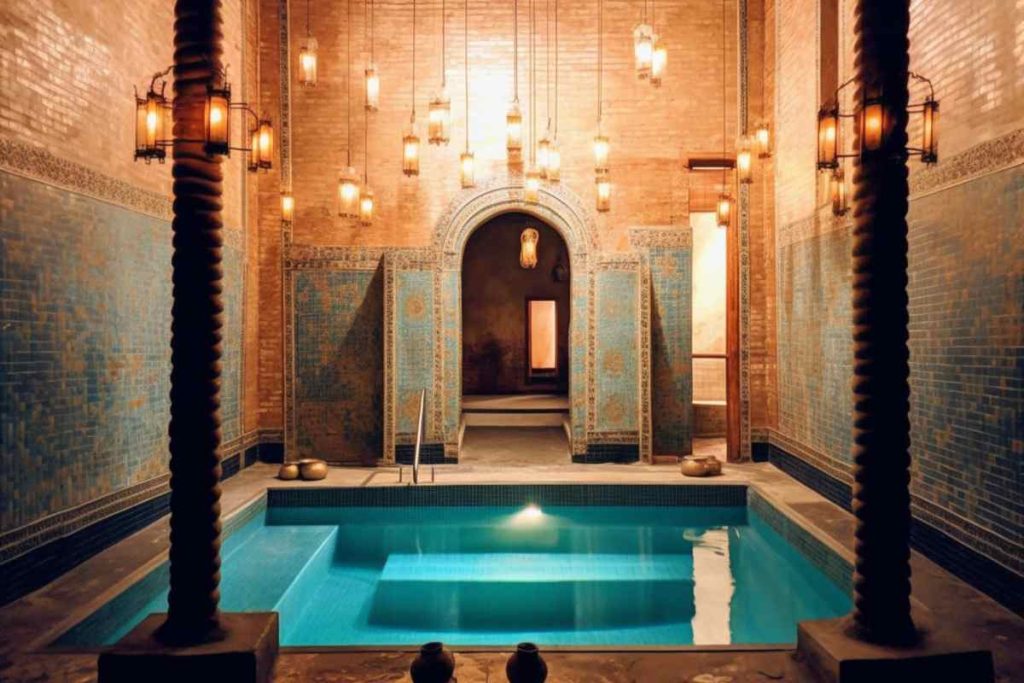
Turkish Hammams invite you into a living tapestry of wellness, hospitality, and artistry. Across centuries, this tradition blends Ottoman bath culture, Turkish bath history, and communal ritual into a single, sensorial journey that honors the tides of daily life. The architecture of these spaces—marble, domed ceilings, and smooth surfaces—speaks as loudly as the steam and preserves hammam architecture as a sacred language. Within the walls, visitors experience Turkish spa traditions and steam bath rituals that combine cleansing, massage, and social exchange. Whether arriving as a curious first-timer or a seasoned traveler, a traditional hammam visit connects body, mind, and a long cultural lineage.
Viewed through an alternative lens, these Ottoman-era bathhouses reveal a social and architectural phenomenon rather than mere grooming spaces. Public baths in the empire merged practicality with spectacle, becoming centers of conversation, music, and mutual care. The language of their design—domes, marble, and flowing water—continues to inform contemporary steam rooms and spa traditions. Exploring the history of this bath culture offers insight into traditional hygiene practices, ritual cleansing, and the enduring appeal of communal wellness. Today, travelers encounter a continuum of experiences that link past and present, inviting respectful engagement with a living heritage.
Turkish Hammams and Ottoman Bath Culture: A Living Heritage
Turkish Hammams are a direct manifestation of Ottoman bath culture, representing a centuries-old fusion of hygiene, hospitality, and ceremonial art. This heritage is not merely about cleansing; it is a social and spiritual tradition that has shaped urban life, neighborhood interactions, and community rituals across generations. Exploring Turkish bath history reveals how cleanliness became a communal act, and how spaces designed for steaming, washing, and relaxation evolved into sanctuaries of cultural memory.
Understanding the legacy of Turkish Hammams offers more than a physical tour; it invites reflection on how people connected through shared routines of care and purification. The lineage of Ottoman bath culture shows how bathhouses functioned as centers of gathering, conversation, and mutual respect, embedding hospitality and refinement into daily life. Today’s visitors can sense that lineage in the atmosphere, architecture, and the ritual cadence that continues to honor centuries of tradition.
Hammam Architecture: Design That Amplifies Heat, Light, and Harmony
A typical hammam is a study in architectural elegance, where domed ceilings, smooth marble surfaces, and carefully engineered heating systems work together to maximize heat, moisture, and light. The architectural language of hammam architecture emphasizes the journey from cool to warm to hot spaces, guiding the body and mind through a ritualized sequence that heightens sensory awareness and relaxation.
This design philosophy embodies Ottoman bath culture by balancing functionality with beauty. The spatial progression, drainage-aware floors, and strategic acoustics create an environment that feels both intimate and ceremonial. Through marble, tile, and water, hammam architecture communicates hospitality, refinement, and a deep respect for the transformative power of heat and steam.
Rituals and Etiquette in Turkish Hammams: Steps, Respect, and Renewal
Rituals in Turkish Hammams unfold in a thoughtful sequence, beginning with acclimation to heat and culminating in a restorative rest. Visitors are guided through warming rooms, cleansing with kese exfoliation, and often massage therapies that release tension and encourage circulation. The steam bath rituals embedded in these practices are designed to purify the body while offering a meditative, spa-like experience.
Etiquette varies by region and establishment, but the underlying Turkish spa traditions emphasize modesty, patience, and mutual respect. Attendants and massage therapists play integral roles in maintaining flow and comfort, helping visitors navigate the ritual with care. Understanding the sequence and etiquette enhances appreciation for the cleansing rite as a holistic experience rather than a mere wash.
Social Life in the Ottoman Hammam: Community, Conversation, and Connection
Beyond cleansing, the Ottoman bath culture positioned the hammam as a social hub where neighbors met, networks formed, and life’s transitions—like matchmaking or celebrations—unfolded. The architecture and schedules often reflected gendered spaces and communal norms, turning the bath into a forum for conversation and shared rituals that reinforced trust and kinship.
Even today, visitors can sense the social dimension of Turkish Hammams in the rhythm of conversations, the presence of regulars, and the sense of renewal that accompanies the cleansing rite. The spaces continue to serve as gateways to hospitality and communal wellbeing, echoing centuries of social practice that linked cleanliness with social life and moral reflection.
Modern Revival: Preserving History While Embracing Contemporary Comfort in Hammams
In recent decades, many hammams have undergone careful restorations to preserve Ottoman bath culture while incorporating modern amenities, accessibility, and safety standards. The revival respects hammam architecture and ritual sequences, ensuring that the essence of steam bath rituals and ceremonial baths remains central even as facilities adapt to today’s expectations.
Today’s Turkish spa traditions are increasingly accessible to locals and travelers, blending historic atmospheres with contemporary wellness offerings. Modern hammams offer curated experiences that honor tradition—still focused on purification, relaxation, and social connection—while embracing new materials, improved hygiene, and inclusive design that broadens who can participate in this enduring cultural practice.
Practical Guide to Experiencing Turkish Hammams Respectfully and Fully
Planning a visit requires awareness of local etiquette, gender-specific hours, clothing policies, and recommended apparel such as a pestemal or light wrap. Practical tips include bringing a towel, sandals, and some cash for optional services like kese scrubs or massages. Engaging with a bath attendant or masseuse can enhance the experience, but asking respectfully about the order of steps helps maintain the flow of the ritual.
A thoughtful visitor also benefits from understanding the broader cultural and educational value of the experience. Many hammams offer interpretive tours and signage that illuminate Ottoman bath culture, the architecture, and the traditions of steam bath rituals. By approaching the visit with curiosity and respect, you participate in a living heritage that continues to shape wellness and hospitality today.
Frequently Asked Questions
What are Turkish Hammams and how do they embody Ottoman bath culture?
Turkish Hammams are public bathhouses rooted in Ottoman bath culture. They combine cleansing, relaxation, and social interaction, reflecting centuries of hospitality and ritual. Typical spaces feature domed ceilings, marble surfaces, and a progression from warmer to hotter rooms, illustrating how hammam architecture supports the experience.
How does Turkish bath history influence the rituals and layout of a hammam today?
Turkish bath history, tracing from Roman and Byzantine influences through the Ottoman era, informs a standard ritual sequence: warm area, hot steam room, washing with a kese, massage, and a cool rest. This historic lineage also shapes the shared spaces and social etiquette that visitors encounter.
What architectural features define hammam architecture in traditional Turkish Hammams?
Hammam architecture centers on humidity, heat, and light. Expect domed ceilings, smooth marble, heated floors, and a layered room progression that guides water, warmth, and calm. These elements express the architectural language of Ottoman bath culture.
What can visitors expect from steam bath rituals in a Turkish Hammam?
Visitors follow a typical sequence of entering a warm space, gradually heating, scrubbing with a kese, possibly a massage, steam to soften skin, rinsing, and rest. The ritual emphasizes gradual relaxation, cleanliness, and respect for the spa setting.
How do Turkish spa traditions shape etiquette and social life in hammams today?
Turkish spa traditions highlight hospitality, modesty, and communal care. Etiquette often includes using a pestemal towel, respecting gendered spaces where applicable, and listening to attendants guiding the sequence. The social dimension remains a key part of the experience.
How have modern Turkish Hammams evolved while preserving Ottoman bath culture and hammam architecture for today’s travelers?
Modern Turkish Hammams blend heritage with contemporary comfort, safety, and accessibility while preserving the central rituals and the architectural language of Ottoman bath culture. Restoration projects and new venues keep domed spaces, marble interiors, and the ritual sequence alive, inviting travelers to experience history alongside modern wellness.
| Theme | Key Points | Notes / Examples |
|---|---|---|
| Origins and historical context | Public bath origins in the Mediterranean and Near East; Ottoman adaptation created the Turkish Hammam as a social/spiritual center; cleansing rituals tied to seasonal life, religion, and etiquette. | Centers for neighbors, travelers, and families; purification, hospitality, and community are woven into daily life and ceremonies. |
| Ottoman bath culture and social significance | Multi-role space: bath, forum for conversation, networking, and matchmaking; design with gender-separated sections; master bath stewards; heat, steam, scrubbing; renewal and communal cleansing central to life. | Kinship, trust, rituals, and social bonds shaped by the space and routines; today’s visitors sense historical social dynamics. |
| Hammam architecture: design that tells a story | Domed ceilings for humidity/acoustics; smooth marble surfaces; heating elements distribute warmth; typical progression: cool/warm room → hot room → cooling rest; floors incline to drains; harmony of materials, light, water, space. | Architectural language as a conduit for ritual and comfort; enduring legacy of Ottoman design. |
| Rituals and etiquette in Turkish Hammams | Common flow: enter spa area, warm space, cleanse with kese, exfoliate, massage, steam, rinse, rest in cooling area; practices vary by region; respect local etiquette. | Order of steps and sensitivity to regional/customary practices ensure a respectful experience. |
| Modern evolution: from historic baths to contemporary experiences | Decline with modernization; revival through heritage restorations and new bathhouses; preserved ritual sequences with updated amenities, safety, and accessibility. | Authenticity within modern comfort; tourism and wellness contexts adapt while honoring tradition. |
| Experiencing today: practical tips | Check gender-specific hours, clothing policies; bring pestemal towel, sandals, cash for services; attendants can guide you; ask about step order to stay in flow. | Private rooms or packages may be available; adapt to each hammam’s practices. |
| Cultural and educational value | Hammams reflect cultural memory: social practice, religious observances, shared rituals; tied to Ottoman governance, urban planning, public space aesthetics. | Tours, signage, and interpretation illuminate nuances of Ottoman bath culture and hospitality focus. |
| Regional variations and global influence | Differences range from grand marble interiors to intimate boutique spaces; Ottoman influence visible in the Balkans and the broader Mediterranean. | Studying variations reveals transcreation of wellbeing across cultures and centuries while preserving Turkish architectural language. |