
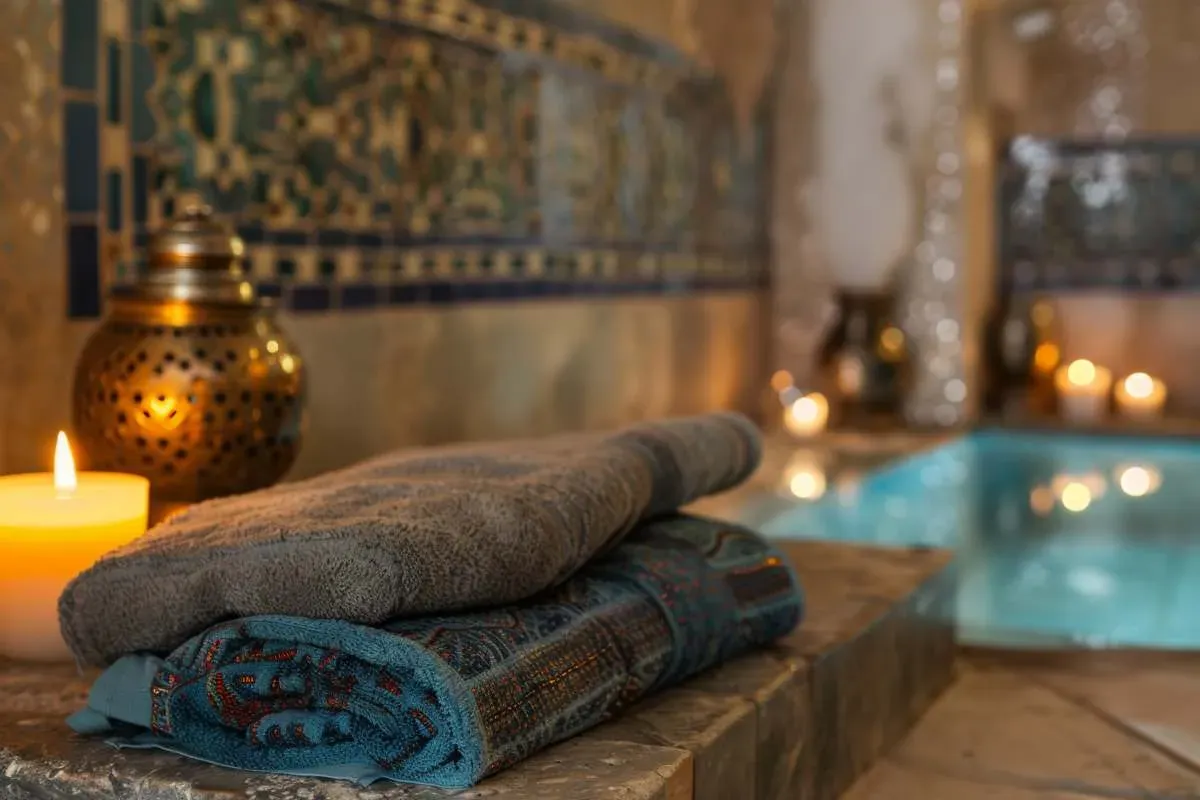
The Turkish bath guide invites travelers and locals alike to explore a timeless ritual of warmth, steam, and cleansing, offering a culturally rich introduction to a beloved wellness practice that engages body and senses from the moment you arrive, helping you feel prepared, curious, and respectful as you begin this journey. Understanding Turkish bath etiquette helps you navigate the ritual respectfully, from choosing appropriate attire and maintaining personal space to aligning with attendants' guidance and observing others' comfort, ensuring the environment remains calm, safe, hygienic, and inclusive for people of all backgrounds and levels of familiarity. This guide prepares you for the hamam experience by outlining the typical progression, the sensory cues of heat and humidity, the careful timing of exfoliation and massages, and the communal pace that makes the visit soothing, sociable, and deeply restorative rather than hurried. Beyond the immediate relaxation, you will discover the benefits of Turkish bath for skin vitality, improved circulation, muscle relief, stress reduction, and mental clarity when performed mindfully and paired with adequate hydration, gentle post-treatment cooling, and a quiet moment to absorb the warmth. From arrival and changing to exfoliation (kese), soap massage, and rinse, the steps in a Turkish bath guide you through a cohesive Turkish bath ritual that leaves the body refreshed, the skin revived, and the mind centered, ready to carry that renewal into daily life.
Seen through an LSI lens, the Turkish spa tradition connects heat therapy, steam, and ritual cleansing in public bathhouses that have long served as social hubs. Visitors encounter marble slabs, steam rooms, private and shared spaces, and tools like exfoliation mitts and foam washes that define the holistic cleanse. This broader view frames the hammam ritual as a cultural practice that blends self-care with etiquette, offering benefits through mindful breathing, muscle relaxation, and skin renewal within a welcoming communal setting.
Turkish bath guide: your entry into the hamam ritual
This Turkish bath guide invites you into a culturally rich, sensory ritual that blends heat, steam, exfoliation, and relaxation. It’s more than cleansing; it’s a social and personal ritual that you can enjoy with both travelers and locals. The hamam ritual unfolds at its own pace, offering renewal for body and mind.
Knowing the typical sequence helps you feel confident about what to do—from the arrival and changing area to moving through progressively warmer rooms, experiencing kese exfoliation, a soap wash, a foam massage, and a quiet rest.
Turkish bath etiquette: respectful practices in the hamam experience
Turkish bath etiquette matters as much as the treatments themselves. By following local norms you ensure comfort for yourself and others, maintain hygiene, and show respect for the tradition and staff.
Hygiene and preparation, modesty, and clear communication with attendants keep the experience smooth. If you’re unsure about attire, gender-specific sessions, or tipping, ask at the desk before beginning.
What to expect: steps in a Turkish bath from entry to rinse
When you visit, expect a clear sequence: arrival and changing area, a warm room, a hot steam room, and a cooler rinse area, finishing with a massage and rest. These steps in a Turkish bath guide your pace.
Plan to pack a pestemal or towel, sandals, a small shampoo, and a water bottle, and arrive a few minutes early to settle in.
Benefits of Turkish bath: physical and mental rewards
Benefits of Turkish bath include skin renewal, improved circulation, and muscle relaxation, all supported by heat, humidity, and massage.
Beyond the body, many find reduced stress, better sleep, and a sense of renewal from the ritual, making it a sociocultural experience as well as a personal spa.
The hamam experience: a sensory journey through heat, steam, and ritual
The hamam experience offers a multi-sensory journey—the heat and steam stimulate the senses, while marble surfaces, dim lighting, and soft music create a tranquil atmosphere.
After the main treatment, rest in a quiet area, rehydrate, and let your body adjust; this restful phase completes the transformation.
The Turkish bath ritual explained: keses, foam massage, and post-care
The Turkish bath ritual centers on kese exfoliation, followed by a warm rinse and a soap foam massage that loosens dead skin and relaxes tired muscles.
Finish with hydration and light moisturizer, then slowly rejoin daily life, carrying a sense of renewal and a respect for the enduring tradition.
Frequently Asked Questions
What should I expect from a hamam experience according to this Turkish bath guide?
A hamam experience starts with the changing area, then a progression of warmer to hotter rooms, exfoliation (kese), soap and foam massage, followed by a rinse and rest. You will typically wear a pestemal or towel and follow staff guidance. This Turkish bath guide helps you know what to expect and how to participate comfortably.
How does the Turkish bath etiquette described in this guide affect my visit?
Follow the Turkish bath etiquette by observing dress codes, hygiene, and quiet, respectful conduct. Ask desk staff about gender-specific sessions and guidelines to ensure comfort for everyone. Stay hydrated and listen to staff directions for a safe, enjoyable experience.
What are the benefits of a Turkish bath as outlined in this Turkish bath guide?
The guide highlights benefits such as skin renewal from exfoliation, relaxed muscles and improved circulation, and reduced stress through the ritual warmth and slower pace. It also notes the social and cultural value of the hamam experience when approached thoughtfully. Remember to hydrate before and after the session.
What are the essential steps in a Turkish bath according to this Turkish bath guide?
The guide outlines steps such as planning and preparation, changing, entering the warm room, optional exfoliation, soap and foam massage, rinsing, resting, and possible add-ons, followed by exit. Each step supports a calm, thorough, and hygienic experience. Communicate your preferences with attendants to tailor the visit.
What is the Turkish bath ritual like, and how does the Turkish bath guide explain it?
The Turkish bath ritual is a guided sequence of warmth, exfoliation, massage, and rest. The guide describes moving through temperature-controlled rooms, performing kese exfoliation, enjoying a foam massage, and then cooling down in a resting area. Understanding the ritual helps you participate with confidence and appreciation.
What practical tips from the Turkish bath guide help first-timers navigate a hamam experience?
Plan ahead for hours and pricing, pack a pestemal, sandals, and water, and arrive a few minutes early. Start with shorter heat exposure, hydrate often, and clearly communicate preferences for scrub or massage. Bring essentials and respect local norms to enjoy the hamam experience fully.
| Topic | Key Points |
|---|---|
| What to Expect in a Turkish Bath |
|
| Etiquette to Follow in a Turkish Bath |
|
| Benefits of a Turkish Bath |
|
| Who Should Consider a Turkish Bath? |
|
| Steps in a Turkish Bath: A Practical, First-Timer Guide |
|
| Tips for First-Timers |
|
Summary
Turkish bath guide: This descriptive overview highlights how a hammam blends heat, steam, exfoliation, and relaxation into a culturally rich experience. By understanding what to expect, following etiquette, and recognizing benefits, you can confidently enjoy a rejuvenating visit that honors tradition while promoting personal well-being. Whether you seek skin renewal, muscle relief, stress reduction, or a unique cultural encounter, the Turkish bath guide journey invites you to slow down, breathe, and feel renewed.