
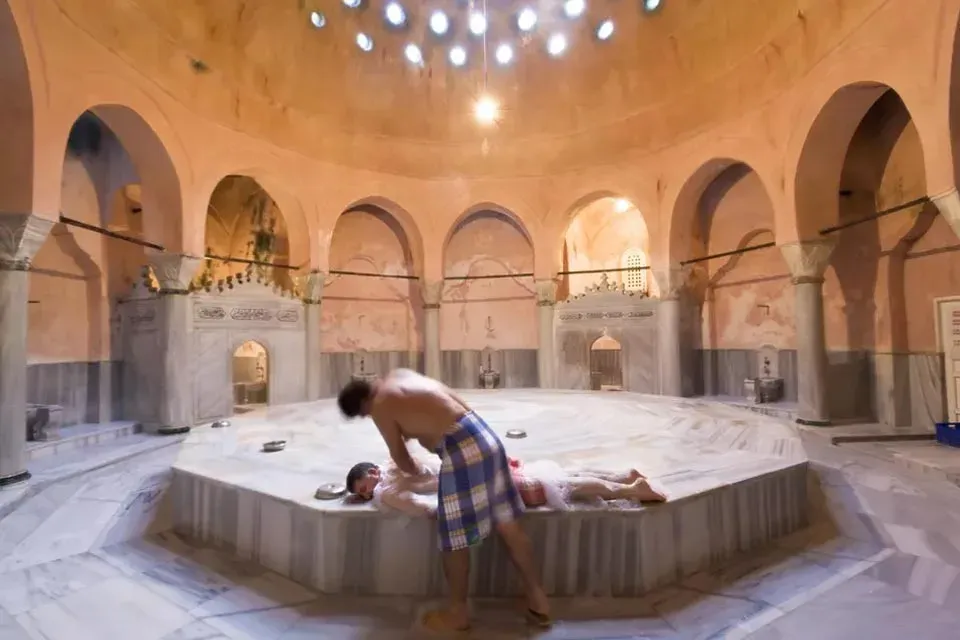
A Turkish bath is a centuries-old ritual that blends heat, water, and social ritual into one immersive experience. Known in many regions as the hammam, it invites visitors to move through progressively warmer rooms, letting sweat loosen toxins while the scent of soap and oils fills the air. For travelers, the Turkish bath experience offers a window into Ottoman wellness traditions and the chance to enjoy spa-like comforts in a historically rich setting. Whether you choose a public hammam with ancient marble and ceremonial staff or a modern Turkish spa with private treatment rooms, the ritual remains a moment of cleansing, relaxation, and connection. From the kese exfoliation to the soothing massage, hammam rituals shape a sensory journey that lingers long after you leave.
Across cultures, the concept resonates as an ancient bathhouse ritual that emphasizes steam, exfoliation, and body care within a social space. Alternately described as a hammam experience or Ottoman steam bath, this practice blends heat therapy with mindful touch. Modern wellness centers may reinterpret the process as Turkish spa sessions, offering private suites and tailored treatments while preserving the essential cleansing sequence. Those seeking a more authentic encounter can seek public hammam venues that carry centuries of architectural heritage and ceremonial etiquette. Ultimately, the practice invites relaxation, renewal, and a respectful immersion into a regional culture that values hospitality and ritual cleanliness.
1. Turkish Bath: Heritage, Hammam Rituals, and the Turkish Spa Experience
A Turkish bath is more than a spa visit; it is a living cultural ritual that weaves heat, water, and social interaction into a single, immersive experience. Across centuries, the hammam has evolved from a Roman-inspired wellness tradition into an Ottoman-era and contemporary Turkish bath experience that travelers can feel in every marble surface and echoing chamber. The hammam rituals—beginning with warmth to open the pores and culminating in cleansing, exfoliation, and a soothing massage—offer a sensory journey that connects visitors with a long line of cultures that valued communal cleansing and mindful relaxation.
In today’s landscape, the Turkish bath experience often sits at the intersection of history and luxury. Visitors may choose a traditional public hammam to savor the atmospheric charm and ritual cadence, or a modern Turkish spa that preserves the core elements while offering private spaces and contemporary comfort. This blend allows travelers to taste the authenticity of the hammam rituals while enjoying the predictable convenience of a Turkish spa, making the heritage accessible to a broader audience.
2. The Hammam Experience Across Public Baths and Private Turkish Spa Settings
Public hammams cultivate a sense of community and historical texture. You can hear water whisper through marble halls, feel the steam envelop your skin, and share space with locals who carry on generations of tradition. In these settings, the social dimension is as much a part of the experience as the cleansing itself, and the atmosphere naturally leans toward a slower, ceremonial pace—the essence of hammam rituals that many travelers seek.
Private or semi-private Turkish spa settings, by contrast, emphasize comfort, discretion, and modern amenities. You’ll often find individualized treatment rooms, adjustable temperatures, and a broader menu of services that align with contemporary wellness expectations. Even within a Turkish spa, many experiences retain traditional elements, offering a balance between the authenticity of the hammam and the convenience of private facilities.
3. What to Expect in a Turkish Bath Experience: Steps, Rooms, and Ritual Flow
A typical Turkish bath experience unfolds in a sequence of rooms designed to guide your body through heat, cleansing, and relaxation. Most journeys begin in a warm area to loosen muscles and open pores, progress to a hotter washing room for deep cleansing, and conclude in a cool-down space where you rinse and rest. The ritual flow is a defining feature of hammam experiences, and it is this rhythm that makes the Turkish bath feel ceremonial as well as therapeutic.
Exfoliation, or kese, is a signature part of the ritual, followed by a luxurious lather and rinse that leave the skin feeling refreshed and renewed. Depending on the venue, attendants may perform a massage or oiling to seal in moisture and enhance relaxation. Even if every step isn’t identical at every site, the balance of heat, cleansing, and massage remains a common thread that ties together the public hammam and the modern Turkish spa experience.
4. Planning Your Visit: Iconic Hammams versus Modern Turkish Spa Centers
Choosing between iconic hammams and modern Turkish spa centers depends on mood, budget, and what you want to take away from the journey. If you seek architectural grandeur, historic hammams in cities like Istanbul offer a sense of place, time, and culture that enriches the Turkish bath experience. For travelers prioritizing predictability, privacy, and a broader wellness menu, a modern Turkish spa can deliver a curated itinerary with added conveniences.
Many travelers pair both approaches—starting with a historic hammam for atmosphere, then enjoying a Turkish spa treatment that complements the ritual with a massage, hydrotherapy, or aromatherapy. This combination allows you to experience traditional elements while still enjoying contemporary comfort and flexibility. In either case, look for facilities that clearly advertise the hammam rituals, steam rooms, and massage services to ensure you receive the experience you’re seeking.
5. Etiquette, Safety, and Accessibility in Public Hammams and Modern Spas
A respectful, time-honored etiquette underpins every Turkish bath visit. In public hammams, gender-specific hours may apply, with mixed areas available in some modern spas. Begin by donning a pestemal—a lightweight towel or wrap—and acclimating to the warmth before moving through the sequence of spaces. Observing customary etiquette helps maintain a peaceful atmosphere that honors the tradition at the heart of hammam rituals.
Hygiene, hydration, and health considerations are essential for a safe experience. Players of different needs—pregnant travelers, those with heart conditions, or sensitive skin—should consult staff beforehand and adapt the treatments accordingly. Tipping practices vary by venue and country, so a discreet gratuity for the attendant can be appropriate. Accessibility varies, so checking in advance about options for mobility and seating ensures a comfortable visit.
6. Maximizing Relaxation: Tailoring Hammam Rituals to Your Wellness Goals
A Turkish bath can be aligned with personal wellness goals, whether you’re chasing deeper exfoliation, a soothing massage, or a cultural immersion. If skincare is your objective, ask about more intensive exfoliation options or natural soap treatments that promote smoother skin within the frame of hammam rituals. For pure relaxation, a lighter massage and hydrating oils can complement the steam and heat, turning the Turkish bath into a restorative retreat.
The broader Turkish spa landscape expands those possibilities with additional therapies such as thermal pools, mud therapies, and aromatherapy sessions. When time is limited, you can opt for a compact package that includes the essential hammam steps plus a massage, offering a balanced taste of tradition and modern luxury. By blending historical practice with contemporary wellness, you can craft a personalized Turkish bath experience that aligns with your travel rhythm and wellness priorities.
Frequently Asked Questions
What is a typical Turkish bath experience like in a hammam?
A Turkish bath experience in a hammam begins with acclimation in a warm room, followed by steam, a kese exfoliation, soap, and a rinse. The ritual often includes a massage or oil application, all set within a space rich in architecture and tradition. This hammam ritual blends cleansing, relaxation, and a touch of social or reflective atmosphere.
How does a public hammam differ from a modern Turkish spa?
Public hammams emphasize heritage, architecture, and a social experience, often with gender-segregated hours and historic ambiance. A modern Turkish spa focuses on privacy, comfort, and a broader menu of services like hydrotherapy, aromatherapy, and private treatment rooms while still honoring hammam rituals.
How should I prepare for a Turkish bath experience?
For a Turkish bath experience, bring a pestemal (traditional towel) and flip-flops, stay hydrated, and consider going makeup-free for exfoliation. Check local etiquette, note any gender-segregated times, and wear clothing or wraps as required by the venue. Small personal items can go in a locker as directed by staff.
Are hammam rituals safe for first-time visitors?
Yes, hammam rituals are generally safe for first-time visitors. If you’re pregnant, have a health condition, or skin sensitivities, consult staff or a healthcare professional beforehand. Listen to staff instructions, stay hydrated, and exit the heat if you feel dizzy or unwell.
Can I combine a Turkish bath experience with other treatments at a Turkish spa?
Absolutely. At many Turkish spa locations, you can pair the Turkish bath experience with additional treatments such as massages, aromatherapy, or hydrotherapy for a fuller wellness session. Private or semi-private spa settings often offer more flexibility in scheduling and privacy.
Where can I experience a Turkish bath, and what should I look for in a hammam or Turkish spa?
You can experience a Turkish bath in historic hubs like Istanbul’s Çemberlitaş Hamamı or Kılıç Ali Paşa Hamamı, plus modern Turkish spa centers across Turkey. Look for clear descriptions of Turkish bath rituals, steam rooms, massage services, and authentic kese exfoliation. Decide between iconic hammams for atmosphere or a Turkish spa for privacy and a broader service menu.
| Key Point | Summary | Practical Notes / Examples |
|---|---|---|
| What is a Turkish bath and why it matters | A centuries‑old ritual blending heat, water, cleansing, and social experience; rooted in Roman bath culture and Ottoman traditions; involves progression through hot rooms, cleansing, exfoliation, and often massage. | Mind and body focus; cultural encounter; window into Turkish wellness traditions; typical sequence includes heat, cleansing, and a possible massage. |
| Hammams vs Modern Spas | Iconic hammams emphasize ritual, architecture, and traditional sequences; modern spas blend heritage with private rooms, hydrotherapy, aromatherapy, and broader services. | Historic ambiance and communal ritual vs private comfort and flexibility; you can combine both. |
| Planning your Turkish bath experience | Decide based on mood, budget, and what you want from the experience; historic hammams offer atmosphere and tradition, modern spas offer seamless luxury. | Choose a city or venue that fits your priorities; consider pairing a hammam with a spa day for balance. |
| Etiquette and what to expect in a Turkish bath | Respectful, time-honored etiquette; pestemal wrap, undressing, acclimating to heat, possible gender segregation depending on venue. | Expect a sequence of steam/heat, hotter washing room, rinse, and rest; kese exfoliation, soap, and optional massage. |
| Hammam rituals you’ll encounter | Warmth and steam, kese exfoliation, soap and rinse, massage or oiling, quiet reflection. | These steps may vary by venue but follow the core ritual flow. |
| Public hammams vs private spa experiences | Public hammams offer social, historic context; private/spa settings emphasize comfort, discretion, and modern amenities. | Look for private suites, adjustable temperatures, and privacy levels depending on preference. |
| What to pack and how to prepare | Pack a pestemal, flip-flops, hydration supplies, and consider makeup-free skin for exfoliation. | Bring a small bag for valuables; check dress code and hygiene requirements of the venue. |
| Where to experience a Turkish bath | Iconic hammams in Istanbul (Çemberlitaş, Kılıç Ali Paşa, Suleymaniye) plus other Turkish cities; modern spa centers across Turkey. | Historic venues offer atmosphere; modern spas offer convenience and broader services. |
| Notable hammams and what makes them special | Çemberlitaş Hamamı, Kılıç Ali Paşa Hamamı, Suleymaniye Hamamı in Istanbul; UNESCO heritage and Ottoman heritage. | Explore both heritage-rich and architecturally remarkable spaces for a balanced experience. |
| Merging tradition with personal wellness goals | Adapt hammam experiences to goals like exfoliation intensity, massage, or hydro therapies; combine with thermal pools or mud therapies. | Ask staff about customization; select packages that meet your wellness priorities. |
| The broader Turkish spa landscape | Beyond hammams: thermal pools, mud therapies, and aromatherapy across spa venues. | Consider spa circuits that pair hammam rituals with other wellness modalities. |
Summary
Conclusion