
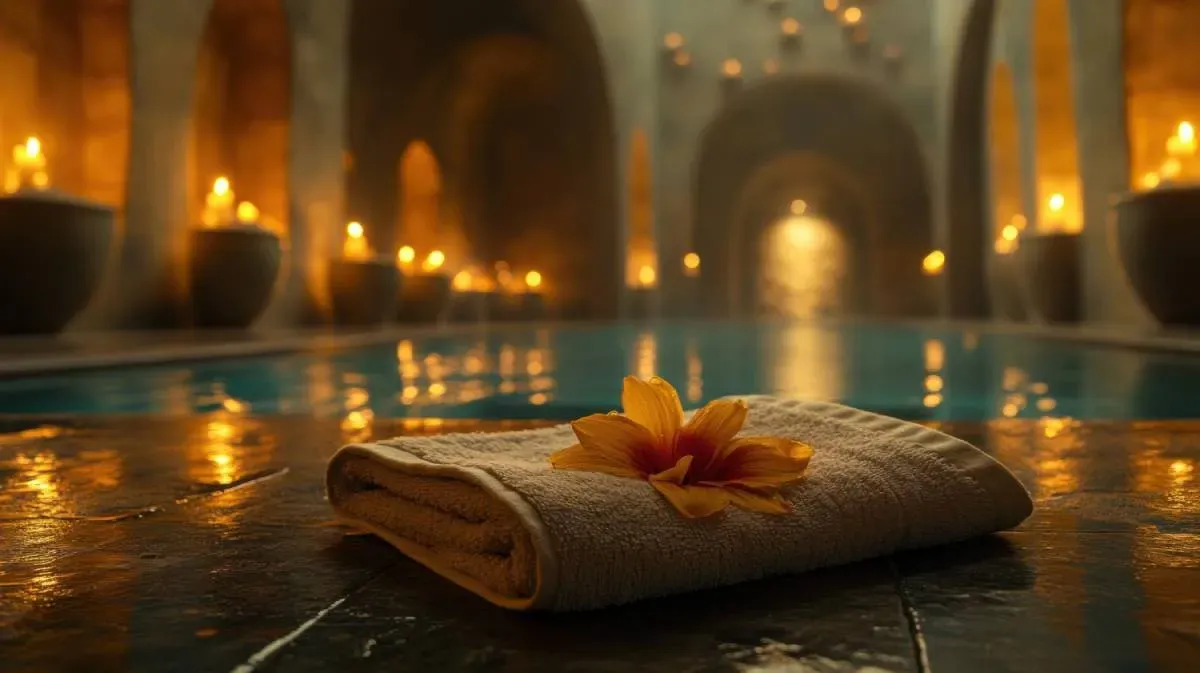
Turkish bath benefits have captivated people for centuries as warmth, steam, and ritual meet in the hamam. These benefits for skin health in the Turkish bath emerge from steam-rich environments that open pores, encourage gentle perspiration, and prepare the skin for exfoliation in hammam. The Turkish bath circulation benefits are most evident during the session as heat-induced vasodilation improves blood flow. A traditional kese scrub and soothing massage complete the cleanse, leaving a glow without stripping moisture. With proper hydration and mindful pacing, these experiences can be enjoyed safely and repeatedly.
A steam-drenched bathing tradition, the hammam experience blends heat, moisture, and ceremonial cleansing into a holistic wellness ritual. The routine of hot rooms, warm spaces, and a cooling finale primes the skin for deeper cleansing and a traditional scrub step. This approach supports skin hydration and a temporary boost in circulation, reflecting the scientific ideas behind steam therapy for skin. Building on hammam rituals, massage and follow-up moisturization help lock in moisture and enhance a refreshed, even complexion.
Turkish Bath Benefits for Skin Health: How Hammam Steam Enhances Complexion
Step into the damp warmth of a hammam, where steady humidity and rising skin temperature soften oils and debris. In this environment, the steam can help loosen surface impurities, setting the stage for a deeper, more thorough cleansing. This experience aligns with the Turkish bath benefits for skin health, as regular sessions can support a clearer, more radiant complexion over time.
Exfoliation in hammam is not just abrasive ritual; it prepares the skin to receive moisture and actives more effectively. The kese sloughs away dull cells while the humid air aids gradual hydration, so moisturizers and serums penetrate more evenly. When paired with proper post-session care, these steps contribute to smoother texture, improved tone, and a visible glow.
Turkish Bath Circulation Benefits: Heat, Vasodilation, and Improved Blood Flow
The hammam's heat raises core body temperature, triggering vasodilation—the widening of blood vessels—that carries more oxygen and nutrients toward skin and muscle tissues. This mechanism is at the heart of Turkish bath circulation benefits, translating into a feeling of warmth, increased skin perfusion, and a gentle sense of renewal after a session.
Beyond the moment, repeated exposure to heat in rhythmic hammam rituals can train the body's response to temperature, contributing to relaxation, lower muscle tone, and a calmer nervous system. Regular attendees often report steadier energy and a sense of ease that reflects improved circulatory efficiency, especially when sessions are balanced with hydration and rest.
Hammam Rituals: The Cultural Practice That Supports Skin Renewal and Relaxation
Hammam rituals orchestrate a choreographed sequence—hot rooms, warm rooms, cooling rinse, and a cleansing scrub—that primes the skin for renewal. The ritual itself supports skin health by combining heat, moisture, and mechanical cleansing in a deliberate order, making the experience more than a bath and more of a holistic practice.
The social and meditative aspects of hammam rituals reduce stress and promote mindful breathing, which can influence vascular tone and overall well-being. In this context, the benefits extend beyond the skin to a calmer body and clearer mind, reinforcing the long-term value of the practice.
Steam Therapy for Skin: Hydration, Cleansing, and Barrier Support in the Hammam
Steam therapy for skin in a hammam elevates surface moisture while helping to clear buildup on the stratum corneum. The humid heat softens the barrier gradually, enabling a gentler cleanse and a more even foundation for hydration post-session.
To sustain the skin benefits, follow steam sessions with a lightweight moisturizer and protective barrier care. The synergy of heat, steam, and careful skincare supports a resilient skin barrier and a glow that can endure after leaving the steam room.
Exfoliation in Hammam: The Kese Method and Its Impact on Texture
Exfoliation in hammam, performed with a kese, sloughs away dull, dead skin cells and rough patches, revealing brighter underlayers. This mechanical step primes the surface for better absorption of active ingredients in skincare products and for more even makeup application, contributing to a smoother texture.
Combined with steam and cleansing, exfoliation accelerates natural renewal and can reduce the appearance of dry patches. When practiced with care, it supports long-term skin tone balance and a healthier foundation for ongoing skincare routines.
Safety, Hydration, and Practical Tips to Maximize Turkish Bath Benefits
Hydration and listening to your body are essential in any hammam visit. Sip water before and after sessions, start with shorter durations, and avoid prolonged exposure if you have cardiovascular concerns or skin infections. These safety tips help ensure you experience the Turkish bath benefits without undue risk.
Post-session care matters too: rinse when needed, apply a gentle moisturizer, and maintain a consistent skincare routine outside the hammam. Regular, mindful practice—paired with sun protection during the day—helps sustain skin health and circulation benefits over time.
Frequently Asked Questions
What are the Turkish bath benefits for skin health, and how does exfoliation in hammam enhance them?
Turkish bath benefits for skin health come from steam that opens pores and boosts surface hydration, supporting a thorough cleanse. Exfoliation in hammam, using a kese to remove dead skin, improves texture and allows moisturizers to penetrate more effectively. With proper hydration and a gentle skincare routine, regular hammam sessions can reveal a healthier, glowing complexion.
What are Turkish bath circulation benefits, and how does the heat and humidity of the hammam influence blood flow?
The heat and humidity in a hammam cause vasodilation, increasing blood flow to the skin and muscles—the core Turkish bath circulation benefits. This temporary rise in circulation helps deliver oxygen and nutrients and can ease muscle tension. The effect is greatest during the session and tends to be supportive when paired with rest and hydration.
How do hammam rituals support well-being, and what roles do steam therapy for skin and exfoliation in hammam play?
Hammam rituals promote relaxation, social connection, and stress reduction, which support overall well-being. Steam therapy for skin helps hydrate and cleanse the surface, while exfoliation in hammam kick-starts renewal by removing dull cells. Together, they can enhance skin texture and leave a refreshed sensation.
Is steam therapy for skin in a Turkish bath suitable for all skin types, and what skin health benefits can be expected?
For many skin types, steam therapy for skin can improve surface hydration and cleanse pores. Exfoliation in hammam should be approached gently for sensitive or compromised skin to minimize irritation, but when done correctly it supports smoother texture and a brighter glow. Follow with moisturizer and sun protection to sustain benefits.
What safety practices maximize Turkish bath benefits while practicing hammam rituals?
Prioritize hydration before and after sessions and moderate duration to prevent dehydration. If you have cardiovascular concerns or skin issues, consult a professional before visiting. Aftercare—cool rinse, moisturizer, and a balanced skincare routine—helps extend benefits and reduce risk.
How often should you practice hammam rituals to maintain Turkish bath benefits for skin health and circulation?
Aim for regular, moderate visits rather than frequent, lengthy sessions to maintain skin health and circulation benefits. Listen to your body, stay hydrated, and pair hammam days with a simple skincare routine and rest. Balance with other wellness activities to support long-term results.
| Aspect | Key Points | Notes |
|---|---|---|
| Uniqueness of the Turkish bath | Sequence of hot, warm, and cool rooms; kese exfoliation; massage; humid, hot environment; vasodilation; skin hydration. | |
| Skin health benefits | Steam opens pores, aids cleansing; mechanical exfoliation with kese removes dead skin; improved absorption of moisturizers; potential glow and smoother texture. | |
| Circulation benefits | Heat raises core temperature and promotes vasodilation; increased blood flow to skin and muscles; temporary boost in energy and relaxation. | |
| Exfoliation, massage, ritual | Kese exfoliation and cleansing, followed by massage or oil to seal in moisture; supports skin suppleness. | |
| Cultural context | Hammam rituals rooted in tradition and community; social aspect contributes to well-being and stress reduction. | |
| Safety and practicality | Hydration before/after; start with shorter sessions; consider health conditions; post-session skincare; moderate frequency. | |
| Wellness integration | Best when integrated with overall skincare and movement; combine hammam visits with gentle cleansing, sunscreen, and light stretching on non-hammam days. |
Summary
Turkish bath benefits are best understood as the outcome of a holistic process where heat, humidity, exfoliation, and ritual care work together. Regular, mindful sessions support skin cleansing and hydration, promote temporary improvements in circulation, and foster relaxation and a sense of renewal. The cultural ritual and social context contribute to well-being, stress reduction, and a calmer pace of life. To maximize Turkish bath benefits, stay hydrated, listen to your body, and pair hammam visits with a consistent skincare routine and healthy lifestyle choices.