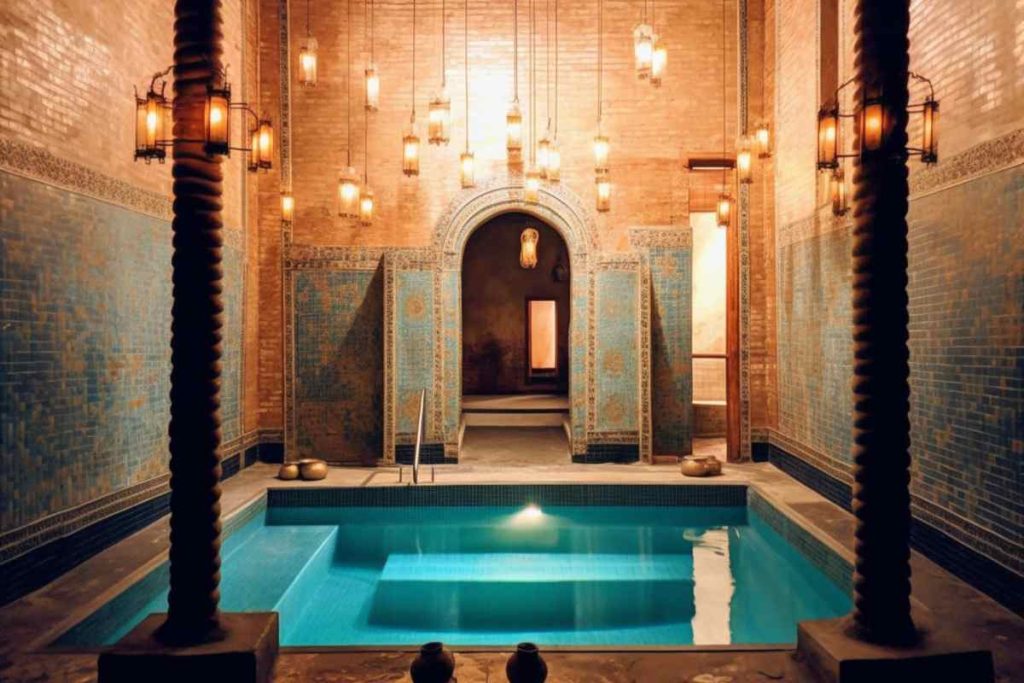
Turkish Hammam invites you into a centuries-old ritual of warmth, steam, and cleansing that blends body, mind, and spirit, unfolding in marble rooms bathed in soft light. In today’s fast-paced world, this traditional experience offers a sensory escape while delivering benefits that extend to circulation, skin, and mood. The sequence, known as the hammam ritual steps, guides you through warmth, cleansing, exfoliation, and massage, creating a mindful journey that supports relaxation and a refreshed, balanced body. Respectful etiquette and quiet pace help ensure a calm, inclusive atmosphere for everyone in the space. Whether you’re new to the hammam or revisiting a trusted routine, maximizing the ritual can transform a visit into lasting calm.
Beyond the single label, the same practice appears in a broader family of steam-centered cleansing traditions, often described using terms like steam bath, spa ceremony, or Ottoman bath culture. Seen through an LSI-informed lens, these alternative names share the core elements of heat, humidity, exfoliation, and touch that nurture body and mind. Other descriptors you might encounter include wellness ritual, cleansing rite, or cultural bath tradition, all pointing to the same mindful goal. Whether you travel to a historic hammam or recreate elements at home, the underlying idea remains consistent: slow warmth, careful cleansing, and deliberate recovery. Recognizing these terms helps readers connect with the practice across different cultures and contexts.
Turkish Hammam Benefits: A Descriptive Guide
The Turkish Hammam delivers more than warmth; it engages the body, skin, and mind in a holistic rhythm that supports overall well-being. When heat and steam work together, they promote improved circulation, helping to ease muscle stiffness and accelerate recovery after activity. The exfoliating elements of the ritual reveal smoother skin and a brighter complexion, while the mindful pace of the experience gives the mind a chance to reset and reset again, making the benefits feel lasting rather than temporary.
Framing the experience with intention turns a session into an opportunity for deeper relaxation and renewal. To tap into what the Turkish hammam benefits, practice calm breathing, stay hydrated, and allow the body to adapt gradually to heat. This approach—paired with the cleansing and massage components—enhances hammam relaxation tips and helps you emerge calmer, more present, and energetically restored, whether you’re in a traditional setting or recreating a similar ritual at home.
Hammam Ritual Steps: A Descriptive Path Through the Experience
The essence of the hammam ritual steps is a carefully choreographed journey through temperature, steam, and touch. Guests begin in a warm room to acclimate, move to a hotter chamber that encourages sweating and pore opening, then transition to the rinse and massage area for cleansing, exfoliation, and soothing strokes. This progression is designed to optimize cleansing while inviting the body to unwind at a comfortable pace.
Whether performed by an attendant or self-administered, the ritual unfolds with deliberate rhythm: gentle kese exfoliation, a soap wash, a thorough rinse, followed by a relaxing massage that supports lymphatic flow and muscle release. Embracing the sequence with patience helps you experience the full spectrum of hammam ritual steps and maximize the transformative effects on both skin and muscle tone.
Turkish Bath Etiquette and Safety: Do’s, Don’ts, and Respect
Etiquette in the Turkish bath environment shapes the experience for everyone. Modesty and privacy are important, and guests should follow facility rules about clothing, wraps, or time spent in each room. Observing quiet behavior and minimal conversation helps create a tranquil setting where the benefits of heat and cleansing can be appreciated without distraction.
Safety considerations are essential for a comfortable, beneficial session. If you have skin conditions, illnesses, or are pregnant, consult a healthcare provider before use. Hydration remains crucial, as the heat and steam can be dehydrating. Listening to your body, exiting if you feel lightheaded, and adhering to posted safety guidelines ensures you enjoy the hammam while protecting your health.
Hammam Relaxation Tips: Calm Focus and Better Sleep
To deepen the relaxation experience, pair the hammam with mindful pacing, deliberate breathing, and gentle transitions between rooms. Slow, controlled inhales and exhales help manage heat exposure and reduce stress, turning the ritual into a form of quiet meditation that complements the physical benefits of cleansing and massage.
After the cleansing phases, take time to rest, hydrate, and moisturize. A light stretch or a short quiet period can support circulation and help the body reorient to daily activity. Incorporating hammam relaxation tips—such as cool-down rinses, proper post-session hydration, and a nourishing oil or moisturizer—enhances skin hydration and supports sustained calm.
Turkish Bath at Home: Recreating the Hammam Experience Safely
Bringing the Turkish bath experience into your home requires a steam-friendly space and simple tools: a kese glove, natural soap, and a body oil or moisturizer. Design the area with soft lighting and clean surroundings to evoke the tranquil ambiance of a traditional hammam while ensuring safety and comfort.
A practical at-home routine mirrors the professional ritual: a gentle wash, a short steam, targeted exfoliation, and a soothing rinse followed by a light massage with oil. Finish with rest and hydration to support skin health and overall relaxation. By following safer practices for the Turkish bath at home, you can enjoy the ritual’s benefits without leaving your living space.
Post-Session Care and Recovery: Hydration, Moisture, and Mindful Cooling
The recovery phase is where the benefits consolidate. Hydrate steadily, replenish electrolytes, and allow time for the body to balance after heat exposure. Gentle movement, light stretching, and a calm environment help to prolong the relaxed state and reduce post-session stiffness.
Moisturizing after the hammam locks in moisture and supports skin resilience. Consider a natural oil or cream suitable for your skin type, and if you’ll be outdoors, apply sunscreen to protect renewed skin. By prioritizing post-session care, you sustain the calm, nourish the skin, and extend the sense of well-being that a well-guided hammam experience delivers.
Frequently Asked Questions
What are the Turkish hammam benefits, and which hammam ritual steps contribute most to achieving them?
Turkish hammam benefits typically include improved circulation, softer skin, muscle relaxation, and a mental reset from the ritual’s paced warmth and cleansing. The core hammam ritual steps—acclimating in the warm room, progressing to the hot room, performing a kese exfoliation and soap wash, followed by a cleansing rinse and gentle massage—work together to unlock these benefits. To maximize results, slow down the flow, stay hydrated, and allow time for cooling and rest between steps.
How does Turkish bath etiquette shape your experience in a Turkish Hammam?
Turkish bath etiquette guides how you dress, move, and interact, ensuring comfort and privacy for all. Typical practices include wearing appropriate coverings, showering before entering the hot spaces, keeping noise low, and tipping attendants when services like scrubs or massages are provided. Following etiquette helps you relax more deeply and protects the harmony of the shared space.
What hammam relaxation tips are most effective for a Turkish Hammam session?
Focus on pacing and breathing to align with the ritual’s tempo; hydrate before and after; use the heat gradually, take a short rest between main steps; opt for a gentle scrub and massage rather than rushing; finish with a cooling rinse and post-session moisturization.
Can I recreate a Turkish Hammam experience at home with a Turkish bath at home approach?
Yes, you can recreate many elements safely by setting up a steam-friendly space, using a kese or loofah, mild soap, and a body oil; follow a similar sequence: wash, steam, exfoliate, rinse, massage, rest; ensure hydration and avoid overheating; know limitations: you won’t have a traditional attendant but you can use guidance.
Which elements of the hammam ritual steps drive skin renewal and muscle relaxation in a Turkish Hammam?
The ritual steps of acclimation, exfoliation with kese, soap wash, and massage stimulate circulation and lymphatic flow, remove dead skin, and ease muscle tension; the combination of heat and moisture opens pores, supporting cleansing and moisture retention.
What role do the hammam ritual steps play in delivering Turkish Hammam benefits, and how should I balance heat, cleansing, and rest?
The ritual steps are designed to pace heat exposure, cleansing, and restorative touch to maximize circulation, skin health, and relaxation; balancing heat with cooling rests and hydration enhances safety and comfort; the experience emphasizes mindful pacing rather than a quick wash.
| Topic | Key Points | Notes / Benefits |
|---|---|---|
| Introduction and Purpose | – Turkish Hammam is a centuries-old ritual blending warmth, steam, water, and touch; aims for deep relaxation and holistic wellness; offers sensory escape and tangible body/mind benefits. | Sensory escape, relaxation, and multi-dimensional benefits for body and mind. |
| Core Experience and Ritual | – Ritual over washing; mindful journey; sequence engages the senses; paced progression toward relaxation and cleansing. | A deliberate, sensory-rich journey rather than a single cleaning step. |
| Core Rooms and Flow | – Warm room (camekan): acclimation to heat; – Hot room (hararet): intense warmth promoting sweating; – Rinse and massage area: cleansing, kese exfoliation, and massage. | Room sequence primes body for cleansing and maximizes relaxation and lymphatic/circulation benefits. |
| Traditional Ritual Elements | – Soap wash; light exfoliation with kese; massage; attendants may perform full scrub and massage or guests can self-cleanse. | Prepares the skin and body for cleansing; highlights variability of services across hammams. |
| Benefits: Body, Skin, and Mind | – Improved circulation; skin renewal; muscle relaxation; stress relief; respiratory comfort; mental reset. | Focus on pacing, hydration, and post-session recovery to sustain benefits. |
| Practical Guide to a Maximized Hammam Session | – Pre-entry hydration; 5–10 minutes in warm room; scrub/cleanse phase; rinse and light massage; cooling down and hydration; post-session care. | A step-by-step approach aligned with tradition and safety. |
| Etiquette and Safety | – Clothing and modesty; tipping; hygiene; noise and pace; photography permissions; health considerations. | Respectful behavior ensures a positive, safe hammam experience for all. |
| At-Home Hammam | – Create a steam-friendly space; use kese/glove, natural soaps, and moisturizers; follow a step-by-step at-home routine; prioritize safety. | Replicates core elements safely outside a communal hammam. |
| Avoiding Common Mistakes | – Don’t rush; don’t over-exfoliate; don’t skip hydration; don’t neglect aftercare. | Small changes yield bigger long-term hammam benefits. |
| Cultural Context and Variations | – Core ritual is consistent: steam, cleansing, exfoliation, massage; variations by country/facility; some combine modern spa services. | Embracing variation while honoring tradition enhances the experience. |
Summary
The table summarizes the main points of the base content, highlighting the ritual, rooms, benefits, practical steps, etiquette, home adaptation, common mistakes, and cultural variations of the Turkish Hammam.